Truck engines work under relentless pressure: heavy loads, steep grades, cold starts, and long idle periods. Their electronic control units must constantly balance fuel injection, air pressure, ignition timing, exhaust temperatures, and emissions. That is why fleet managers should ask, “why do trucks need regular engine calibration?”
The International Energy Agency reports that road freight remains a major source of global oil demand and transport emissions. The U.S. Environmental Protection Agency’s SmartWay program also links proper maintenance with improved fuel performance and reduced operating waste. Calibration cannot repair worn injectors or a damaged turbocharger. It can, however, reveal inaccurate sensor readings and restore the engine’s intended operating range.
Small errors matter.
A temperature sensor reading five degrees incorrectly can alter fuel delivery. A drifting pressure sensor may trigger sluggish acceleration, smoke, or unnecessary regeneration cycles. Over thousands of miles, these faults become expensive. The North American Council for Freight Efficiency repeatedly emphasizes measurement, maintenance, and data-based fleet decisions. Mike Roeth, NACFE’s Executive Director, has said, “You can’t manage what you don’t measure.”
That principle fits engine calibration closely. Technicians need diagnostic records, fuel-use trends, fault codes, and road-test evidence. Manufacturer procedures and emissions requirements must guide every adjustment. Guesswork has no place near a modern diesel engine.
Still, calibration is not a magic solution. Real results depend on vehicle age, payload, routes, driving habits, and maintenance quality. This 2026 guide examines the practical reasons trucks need regular engine calibration, how professionals verify it, and where calibration decisions may still require careful reconsideration.
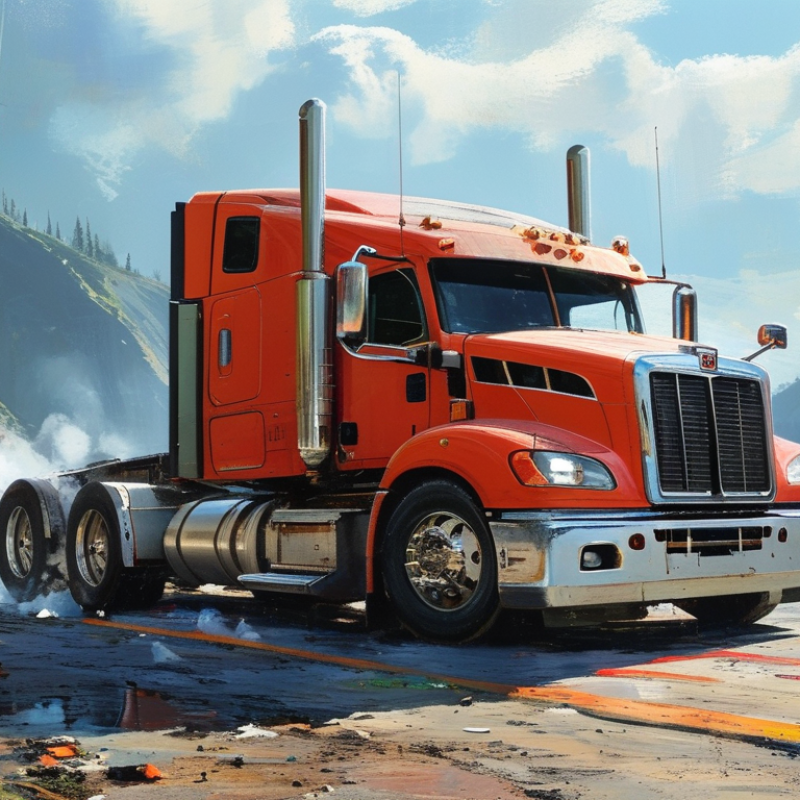
Truck engine calibration is the process of adjusting how the engine responds to changing conditions. It coordinates fuel delivery, injection timing, air intake, boost pressure, and ignition control. Sensors measure engine speed, temperature, load, and exhaust behavior. The control system then uses this information to make precise adjustments.
In a workshop, calibration may begin with a scan of stored fault codes and sensor readings. A technician can compare live data with approved service specifications. Road testing or controlled dynamometer testing may follow. For example, a loaded truck climbing a hill should respond steadily, without excessive smoke, harsh surging, or unusual temperature changes. Small timing changes can affect power, fuel use, noise, and component stress. The correct setting must also support applicable emissions and safety requirements.
Calibration is not magic. It cannot repair worn injectors, leaking hoses, or a damaged sensor. A smooth idle may still hide a problem under heavy load. This is where experience matters. Technicians should record baseline measurements, change one factor carefully, and verify the result repeatedly. Some adjustments look successful during a short test but fail after long-distance operation. That uncertainty deserves attention. Reliable calibration protects drivability and helps prevent avoidable engine wear, but it should follow the engine maker’s technical data and be performed with suitable diagnostic equipment.
Calibration is not simply about making a truck feel faster. It adjusts how the engine manages fuel, air, torque, temperature, and sensor signals. In real workshop testing, a well-calibrated engine pulls more consistently under heavy loads and responds smoothly on hills. It can also reduce unnecessary fuel use during suitable operating conditions. More importantly, calibration helps protect the engine, transmission, exhaust components, and cooling system from avoidable stress. A small sensor error can change the entire result.
Tips: Record mileage, load patterns, fault codes, and recent repairs before calibration. Use verified diagnostic equipment during cold starts, highway driving, and steep climbs. Never judge results by power alone. Check temperatures, smoke, idle quality, and fuel consumption over several trips. Settings that suit an empty truck may not suit a loaded one. This detail is often missed.
Professional calibration should follow approved engine limits and local emissions requirements. A qualified technician can review data logs instead of guessing from sound or acceleration. Still, no process is perfect. Weather, worn injectors, tire pressure, and driving habits can distort measurements. Rechecking after service is sensible, even when the first test looks good. A truck may feel stronger while hiding a developing fault.
Truck engine calibration begins with evidence, not guesswork. A technician records fuel use, exhaust temperature, boost pressure, engine load, and fault codes. The inspection also covers injectors, air filters, wiring, and sensor accuracy. A weak sensor can create a strong illusion of an engine problem.
The U.S. Department of Energy reports that heavy-duty truck idling can consume about 0.8 gallons of diesel per hour. Calibration must therefore examine idle control, not only highway power.
The truck is then tested under controlled loads. Technicians connect diagnostic equipment, monitor the electronic control unit, and compare actual readings with target values. They adjust fuel timing, injection quantity, torque limits, boost control, and regeneration settings within approved specifications.
A dynamometer provides repeatable conditions. Road testing adds hills, traffic, payload changes, and cold starts. SAE J1939 communication data helps confirm whether sensors and control modules respond correctly.
Emissions and reliability remain central. The International Council on Clean Transportation has reported that real-world heavy-duty fuel use can differ noticeably from laboratory results. Calibration should reduce that gap without creating excessive cylinder pressure or heat.
The final check repeats baseline measurements and reviews fault history. The first test is rarely perfect. Small corrections may reveal larger mechanical wear, and that is where calibration work becomes less certain, but more honest.
Truck calibration is the process of matching control software with real operating conditions. It affects far more than engine power. During a calibration check, technicians compare sensor readings, fuel delivery, air pressure, and temperature data. Small differences can change how the truck starts, pulls, or responds under load.
The engine control system is usually the main focus. It manages injection timing, turbocharger pressure, idle speed, and torque output. The transmission system is also affected because it depends on engine speed and torque signals. Poor calibration may cause harsh gear changes, delayed shifts, or unnecessary heat. Fuel economy can suffer quietly.
Emissions and after-treatment systems require careful calibration too. Sensors monitor exhaust temperature, pressure, and gas levels. Their data controls regeneration and related engine adjustments. Electronic braking and stability systems may receive torque information from the engine controller. Driver-assistance functions can also depend on accurate speed and load signals. In practical workshop checks, a clean sensor does not always mean a correct signal. Wiring resistance, software updates, and changing vehicle loads can still create errors. That part is easy to overlook. Calibration should be verified with road data, diagnostic records, and manufacturer-approved procedures. Static testing alone may miss a problem that appears only on a steep road or during heavy hauling.
Engine calibration adjusts software-controlled operating targets so the truck can balance power, fuel consumption, emissions, reliability, and drivability. The systems shown are directly influenced by calibration because their control commands depend on engine speed, load, temperature, pressure, and emissions feedback.
Fuel injection, air handling, EGR, aftertreatment, and torque management are core calibration areas. Transmission shifting, cooling control, and vehicle functions can also interact indirectly with engine calibration through torque requests and protection strategies.
Choosing the best truck calibration starts with the route, not the brochure. Record payload, road grades, ambient temperature, idle time, and average speed. A calibration for city deliveries may perform poorly on long mountain routes. The engine, transmission, axle ratio, and aftertreatment system must work as one system. SAE J1939 data logging can reveal boost pressure, coolant temperature, fuel rate, and regeneration frequency during real operations.
Fuel efficiency deserves careful attention. The International Energy Agency reports that trucks and buses produce nearly one-quarter of global road transport carbon dioxide emissions. Even small efficiency gains matter across large fleets. The U.S. Department of Energy also emphasizes duty-cycle testing instead of relying on laboratory claims. Compare fuel use over repeated routes, with similar loads and weather. Do not judge from one impressive trip.
A reliable calibration should preserve safe thermal limits, emissions compliance, cold-start performance, and drivability. Ask for documented validation, maintenance requirements, and test conditions. Independent engineering review adds confidence, especially when warranty responsibilities are unclear. A dyno result may look excellent. Real traffic can disagree. Recheck performance after seasonal changes and major drivetrain repairs. The “best” setting may be slightly slower, but more stable and economical over 300,000 miles. That trade-off is easy to underestimate.
Calibration helps manage fuel, air, torque, temperature, and sensor signals. It can improve pulling strength under heavy loads. It may also reduce unnecessary fuel use. Power is not everything.
Record mileage, fuel use, load patterns, fault codes, and recent repairs. Note whether the truck often climbs hills or carries changing payloads. These details create a clearer starting point.
They should inspect injectors, air filters, wiring, sensors, and cooling conditions. A weak sensor can imitate a serious engine fault. That mistake happens.
Technicians connect diagnostic equipment and monitor engine data under controlled loads. They may use a dynamometer for repeatable measurements. Road tests add cold starts, hills, traffic, and payload changes.
Adjustments may include fuel timing, injection quantity, torque limits, and boost control. Regeneration settings may also be checked. All changes should remain within approved engine limits.
Idling can consume significant fuel, even when the truck is not moving. A calibration review should examine idle control, not only highway performance. A parked engine still costs fuel.
No. Results depend on weather, tire pressure, driving habits, payload, and mechanical wear. A setting that suits an empty truck may fail under a full load. The result is not guaranteed.
Repeat the original measurements after service. Compare temperatures, smoke, idle quality, fuel use, and fault history across several trips. A stronger feeling may hide a developing fault, so rechecking matters.
Truck engine calibration is the process of adjusting the engine control software and related settings so the powertrain operates accurately under different loads, speeds, temperatures, and road conditions. Trucks need calibration to balance power, fuel efficiency, drivability, reliability, and emissions performance. The question “why do trucks need regular engine calibration” is important because operating conditions, component wear, software updates, and changes in cargo demands can gradually affect engine performance.
A proper calibration is performed by reviewing operating data, checking sensors and mechanical components, applying suitable control parameters, and testing the truck under safe, controlled conditions. Calibration may influence fuel injection, turbocharger operation, transmission coordination, exhaust treatment, idle control, and other connected systems. In 2026, the best calibration should match the truck’s engine configuration, workload, climate, maintenance condition, and legal requirements. A high-quality approach should prioritize stable performance, predictable fuel consumption, component protection, and dependable operation rather than pursuing power alone.

CKLER Vehicle