Fuel is rarely lost in one dramatic event. It disappears through idling, traffic delays, poor loading, and weak maintenance routines. In China, these losses become visible across dense urban routes, long-distance corridors, and frequent stop-and-go deliveries. The China Federation of Logistics and Purchasing continues to identify transportation efficiency as a major cost factor for logistics operators. Fuel control is therefore not only an environmental goal. It protects margins.
The American Transportation Research Institute’s An Analysis of the Operational Costs of Trucking: 2024 Update confirms that fuel remains a major variable expense for commercial fleets. Small changes matter. A poorly inflated tire can increase rolling resistance, while an idling truck can burn fuel without moving any freight. The U.S. Environmental Protection Agency’s SmartWay guidance recommends combining driver training, preventive maintenance, route planning, and idle reduction. These actions are practical, but they are not magic.
Data quality matters.
A fleet manager should compare fuel used per kilometer, payload, route type, and driver behavior. Telematics can reveal a vehicle consuming 32 liters per 100 kilometers on one route, then 38 on another. That difference deserves investigation. It may reflect congestion, temperature, cargo weight, or inaccurate sensors. This guide explains how to manage fuel consumption in logistics fleets through measurable habits, suitable technology, and disciplined review. It also questions popular shortcuts, because a cheaper system may create hidden maintenance costs. The best approach is rarely one device. It is a repeatable operating process supported by reliable data and experienced supervision.
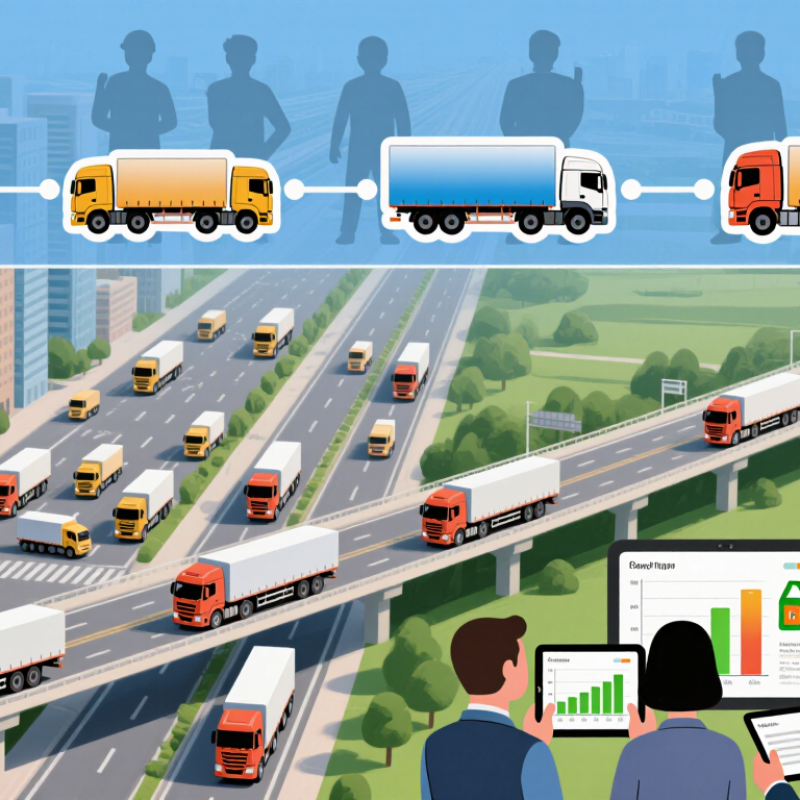
Understanding the Main Causes of Fuel Consumption in Chinese Fleets
Understanding the Main Causes of Fuel Consumption in Chinese Fleets
Fuel waste in Chinese fleets often begins before vehicles reach the road. Urban congestion creates repeated acceleration, braking, and long idle periods. China’s Ministry of Transport regularly identifies congestion, inefficient dispatching, and overloaded logistics routes as major operational pressures. The China Automotive Technology and Research Center also links real-world consumption with vehicle weight, payload, and driving conditions. A heavier truck burns more fuel, even on a carefully planned route.
Driver behavior matters greatly. The U.S. Department of Energy reports that aggressive driving can reduce fuel economy by 15% to 30% on highways and 10% to 40% in stop-and-go traffic. These figures are not China-specific, but they offer a useful benchmark. Sudden throttle inputs, late braking, and unnecessary idling are visible in daily fleet records. Small habits become expensive at scale.
Maintenance is another overlooked cause. Underinflated tires increase rolling resistance, while blocked filters and poor lubrication can reduce engine efficiency. The International Energy Agency’s Global Fuel Economy Initiative stresses that real-world performance depends on both vehicle technology and operation. Fleet managers should compare fuel cards, GPS routes, payload records, and workshop inspections. Data can reveal patterns, but it can also mislead. A short route is not always efficient when traffic is severe. That needs careful review.
Building a Fuel-Efficient Fleet Management System
Building a Fuel-Efficient Fleet Management System
A fuel-efficient fleet starts with dependable data, not guesswork. Install vehicle sensors that record fuel use, mileage, idling time, speed, and route conditions. In China, traffic congestion can change sharply between districts and delivery periods. The system should compare similar vehicles on similar routes. This makes waste easier to identify.
Data exposes habits. A practical dashboard can flag long idling, harsh acceleration, under-inflated tires, and inefficient route choices. Fleet managers should review these alerts weekly with drivers, using actual trip records instead of blame. A ten-minute coaching discussion may correct repeated behavior. Maintenance records also need direct links to fuel performance. Delayed oil changes, blocked filters, or poor tire pressure can quietly increase consumption.
The first dashboard may be too ambitious. Too many alerts can frustrate dispatchers and drivers. Keep only the measures that support daily decisions. Set a baseline for each vehicle, then track changes after training or maintenance. Fuel expenses, odometer readings, and refueling records should be checked against system data. Manual errors still happen.
Small leaks matter. A pilot with twenty vehicles can reveal whether the system works before wider deployment. Managers should test results across seasons, payloads, and urban conditions. Lower fuel use is valuable, but safety, legal compliance, and reliable delivery must remain equal priorities.
Choosing Vehicles and Technologies That Lower Fuel Use
Fleet managers should begin with duty cycles, not showroom preferences. A delivery van covering 120 urban kilometers needs different equipment from a tractor traveling highways. Review payload, route length, idling time, gradients, and charging access before selecting vehicles. A smaller engine may save fuel, but an underpowered vehicle can consume more when heavily loaded. That trade-off is often missed.
For city routes, compact vans with efficient engines, stop-start systems, and low rolling resistance tires can reduce repeated fuel losses. Hybrid powertrains may suit vehicles that brake frequently and wait at crowded loading bays. On predictable routes, battery-electric vehicles can work well when overnight charging is reliable. Measure real energy use in winter, with cargo, heating, and traffic. Laboratory figures are useful, but incomplete.
For long-distance work, aerodynamic bodies, automated transmissions, and correctly sized engines deserve close attention. Telematics can identify harsh acceleration, extended idling, and tire-pressure problems within days. Drivers should receive practical coaching, not blame. A pilot vehicle on one route can reveal maintenance needs and charging delays before a larger purchase. We once assumed the newest technology would perform best; route data challenged that assumption. Fuel savings also depend on repair quality, replacement cycles, and honest measurement.
Training Drivers to Adopt More Economical Driving Habits
Reducing fuel consumption in Chinese fleets often starts inside the cab, not the workshop. Driver training can turn small choices into measurable savings. A heavy foot wastes fuel during acceleration, while unnecessary idling burns fuel at zero distance. Coaches should demonstrate smooth starts, early upshifts, steady speeds, and safe following distances. On a loaded urban route, leaving space ahead helps drivers avoid repeated braking and acceleration. It also reduces fatigue. Real routes matter more than classroom slogans. Use short ride-alongs to show how fuel changes on hills, crowded streets, and delivery stops.
Tips: Set a baseline for each vehicle. Check tire pressure before departure. Avoid idling when safe and permitted. Keep cargo balanced. Give feedback within one day. Be specific. “Brake earlier” works better than “drive economically.” Small reminders near the dashboard can help, although some drivers may ignore them after a few weeks.
Fleet supervisors should compare fuel records with payload, weather, traffic, and route length. Telematics can identify harsh acceleration, but every alert needs human review. A sudden event may reflect an emergency, road damage, or an unusual load. Training should remain practical and respectful. Some drivers will resist. That is normal. Incentives may improve participation, yet unrealistic targets can encourage unsafe habits. Review results monthly, discuss weak points openly, and adjust the training when the data does not match real driving conditions.
Monitoring Results and Improving Fleet Fuel Performance
China Best Ways to Reduce Fuel Consumption in Fleets?
Monitoring Results and Improving Fleet Fuel Performance
Fuel reduction starts with measurement, not assumptions. Record fuel purchased, distance travelled, payload, idling time, and route conditions for every vehicle. A simple dashboard can expose waste that drivers cannot see. The U.S. Department of Energy reports that aggressive driving can reduce fuel economy by 15–30% on highways and 10–40% in stop-and-go traffic. These figures make speed control and smoother acceleration practical priorities.
Monitor weekly, then compare vehicles with similar duties. Track litres per 100 kilometres, idle minutes, harsh braking, tyre pressure, and maintenance delays. The U.S. Environmental Protection Agency recommends reducing unnecessary idling because it consumes fuel without producing useful mileage. Small details matter. A vehicle waiting outside a warehouse, engine running, may quietly distort monthly results. We once treated that time as unavoidable. It was not.
Use the data to coach drivers, redesign routes, and schedule preventive maintenance. The International Energy Agency links better vehicle efficiency and operating practices with lower transport energy demand, but results depend on consistent execution. A dashboard alone changes nothing. Targets should be realistic, visible, and reviewed with drivers. However, fuel results can still be misleading when payloads, weather, or traffic change sharply. Compare like with like. Recheck weak results before blaming the driver.
FAQS
Congestion, inefficient dispatching, heavy payloads, idling, and poor maintenance are common causes. Route conditions matter too.
Repeated acceleration and braking consume extra fuel. Long waits at crowded intersections also keep engines running without useful movement.
Yes. Sudden throttle inputs, late braking, and aggressive driving can sharply increase consumption, especially in stop-and-go traffic.
Heavier vehicles require more energy to move. Overloaded trucks may burn more fuel, even when routes are carefully planned.
Check tire pressure, filters, lubrication, and engine condition regularly. Underinflated tires create rolling resistance. Small faults can become costly.
Compare fuel records, GPS routes, payload details, idling time, and workshop inspections. Data helps, but it can sometimes mislead.
Start with duty cycles, not appearance. Review payload, route length, gradients, traffic, idling, and charging access before choosing vehicles.
No. Hybrids may suit frequent braking and waiting. Electric vehicles can fit predictable routes with dependable overnight charging.
Use one pilot vehicle on a real route first. Measure energy use with cargo, heating, winter weather, delays, and charging time.
Not necessarily. Route data, repair quality, replacement timing, and driver habits may matter more than the vehicle’s age. Sometimes assumptions fail.
Conclusion
Reducing fuel consumption in Chinese fleets begins with understanding the main causes of waste, including excessive idling, traffic congestion, inefficient routing, overloaded vehicles, poor maintenance, and aggressive driving. A practical fleet management system should combine route planning, scheduled inspections, fuel-use records, and clear performance targets. These measures help managers identify unusual consumption patterns and make informed operational decisions.
Vehicle selection also plays an important role. Fleets can reduce fuel use by choosing appropriately sized vehicles, efficient power systems, and technologies that support route optimization and real-time monitoring. Driver training should focus on smooth acceleration, steady speeds, proper braking, tire checks, and avoiding unnecessary engine idling. Regularly reviewing fuel data, comparing vehicle and driver performance, and adjusting policies will support continuous improvement. By applying these methods, fleet operators can better understand how to manage fuel consumption in logistics fleets while improving efficiency, controlling costs, and reducing environmental impact.

 CKLER Vehicle