Cold weather can significantly impact truck performance. Many drivers wonder, "what affects truck performance in cold weather?" Understanding the key factors is essential for safe and efficient operation. As temperatures drop, various elements come into play that can hinder a truck’s efficiency and increased wear on components.
One major factor is engine performance. Cold temperatures can affect oil viscosity, leading to increased friction. Batteries also lose voltage in colder weather, making it challenging to start vehicles. Fuel formulations change, which can impact combustion efficiency. Tires may lose pressure faster, affecting handling and safety.
Moreover, driver habits and preparation are crucial. Proper winterization of vehicles is often overlooked. Neglecting to check antifreeze or tire tread can result in accidents. It’s a complex interplay of mechanical and environmental challenges. Thus, being informed about these factors can make a significant difference in trucking performance during winter months.
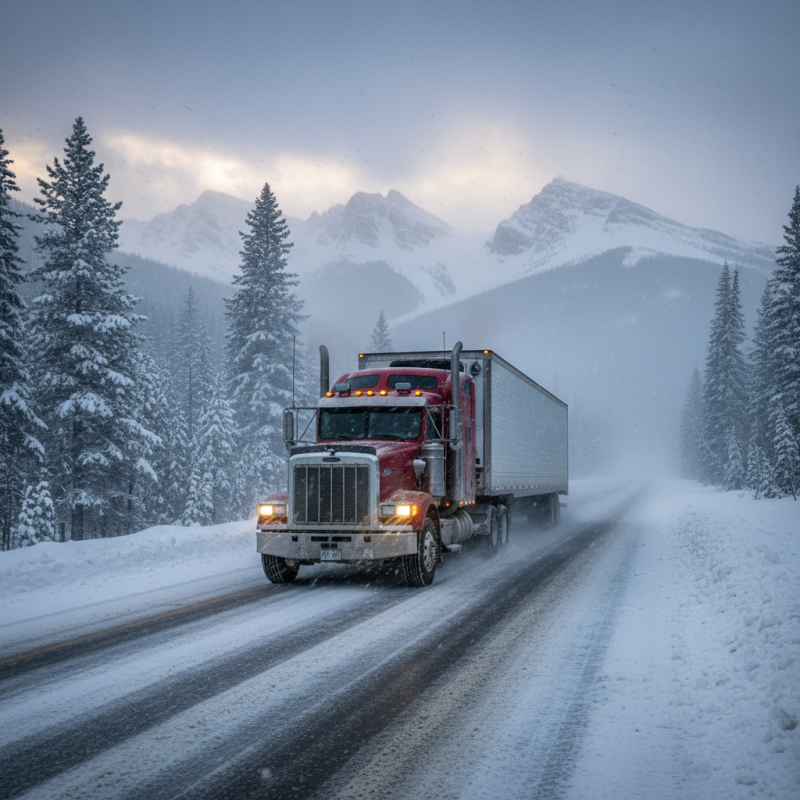
Cold weather can significantly impact engine performance. Many truck owners face cold start difficulties during winter months. According to industry reports, engine oil viscosity increases in low temperatures. This change can lead to sluggish engine response and increased wear. Typically, engine oil thickens in subzero temperatures, making it hard for the oil to flow. Trucks may struggle to start, resulting in costly delays.
Another crucial factor is battery performance. Cold temperatures reduce battery capacity. A fully charged battery can lose up to 40% of its efficiency in frigid conditions. This means that starting a truck may demand more energy than the battery can provide. Maintaining battery health is essential. Regular checks and timely replacements can prevent unexpected failures.
Fuel performance also suffers in cold conditions. Diesel, for instance, can gel, leading to clogs in fuel filters and lines. Studies indicate that even a brief exposure to extreme cold can cause problems. Drivers must consider fuel additives to lower the gel point. Preparing for cold weather involves understanding these challenges. Each factor requires awareness and proactive management to ensure reliability.
In cold weather, tire grip and traction become critical for truck performance. Low temperatures can affect rubber compounds, making tires stiffer and less flexible. This change can lead to reduced traction on icy or snowy roads. It’s essential to recognize that the tread design also plays a vital role in how tires grip the road. Deep, aggressive tread patterns help channel snow and slush, enhancing grip.
Tips: Regularly check your tire pressure during cold months. Cold air can cause pressure to drop, impacting traction. Also, consider investing in winter tires, which provide better performance in freezing temperatures.
Another factor is the surface condition. Ice and snow can create a slippery layer that challenges even the best tires. Always be cautious when accelerating or braking. Rapid movements can lead to skidding. Practicing smooth driving habits can help maintain control.
Tips: Keep your truck's weight balanced. A weighted truck can improve grip on slippery surfaces. If you find yourself stuck, clear snow from around the tires. This simple step can significantly enhance traction.
Cold weather significantly impacts truck performance, especially regarding fuel efficiency and consumption. As temperatures drop, engines have to work harder to maintain optimal operation. Cold air is denser, which can reduce oxygen levels in the combustion chamber. This often leads to incomplete combustion, resulting in increased fuel consumption. Trucks can see a 10-20% decrease in fuel efficiency in winter conditions.
Additionally, the type of fuel used also plays a role in winter performance. Diesel can gel in cold temperatures, hindering flow and efficiency. Truck drivers must be aware of their fuel choices and ensure they are suitable for colder climates. Using additives can help improve fuel flow and maintain engine efficiency. However, not all drivers understand the importance of these measures. Ignoring them can lead to unexpected breakdowns and costly repairs.
Another factor to consider is tire pressure. Cold temperatures can lower tire pressure, affecting handling and fuel economy. Drivers often overlook this maintenance detail, which can lead to higher fuel consumption. Regular checks and adjustments are essential to keep trucks running smoothly in winter months. Overall, understanding these factors is crucial for maintaining efficiency and performance in cold weather.
This chart illustrates the top 10 factors influencing truck performance during cold weather conditions. Each factor is rated by its level of impact on performance, helping drivers and fleet managers understand where attention and resources may be needed for enhanced efficiency in winter driving.
Cold weather poses significant challenges for truck performance, with battery capacity being a crucial factor. As temperatures dip, chemical reactions in batteries slow down, reducing their effectiveness. Reports indicate that a truck's starting power can drop by as much as 30% when temperatures fall below freezing. This drop can lead to starting failures, stranding drivers in harsh conditions.
Monitoring battery health is essential. A fully charged battery may still struggle in cold weather if it is old or damaged. Experts recommend performing a load test before winter begins. Studies suggest that batteries older than three years are more likely to fail during extreme cold. Regular maintenance and timely replacement can improve reliability, and choosing the right battery designed for colder climates can make a significant difference.
Additionally, it's important to remember that cold temperatures can affect other vehicle systems. Fuel lines may gel, and engine oils may thicken. These factors compound battery performance issues. Drivers should be aware of their surroundings and maintain their vehicles proactively. A well-maintained truck can better withstand the rigors of winter. Understanding these dynamics can lead to safer and more efficient operations in cold weather conditions.
Cold weather significantly impacts brake functionality and safety in trucks. Low temperatures can lead to decreased brake responsiveness. According to the National Safety Council, cold weather can reduce braking efficiency by up to 30%. This reduction occurs because brake fluids can thicken, and components may freeze or become brittle.
Here's a tip: Regularly inspect brake systems in cold climates. Look for any signs of wear or leakages, especially in brake fluids. Ensure all components are lubricated to combat the effects of low temperatures.
Another critical aspect is the loss of traction during icy conditions. The braking distance increases, making it essential for drivers to adapt their driving style. Slipping and skidding can occur when brakes engage on icy surfaces. Data show that trucks require 40% more distance to stop in snowy conditions compared to dry roads.
Tip: Equip trucks with winter tires. These tires offer better grip and shorter stopping distances on snow and ice. Evaluate your braking systems regularly and replace any components that show signs of cold-weather damage.
| Factor | Impact on Performance | Safety Considerations |
|---|---|---|
| Tire Traction | Reduced grip can lead to longer stopping distances. | Increased risk of skidding or losing control. |
| Engine Oil Viscosity | Thicker oil can hinder engine performance. | Potential engine damage due to insufficient lubrication. |
| Battery Performance | Reduced capacity and slower charging. | Risk of stalls or starting failures. |
| Brake Functionality | Brake fluid can thicken, impacting response time. | Higher risk of accidents due to delayed braking. |
| Fuel Efficiency | Colder temperatures decrease fuel efficiency. | Increased fuel consumption can lead to higher costs. |
| Cooling System | Coolant thickening can cause overheating issues. | Engine damage from overheating. |
| Windshield Visibility | Frost and ice can impair visibility. | Increased likelihood of accidents. |
| Body Integrity | Cold impacts metal and can cause frame stress. | Potential for structural failures. |
| Driver Fatigue | Cold weather increases discomfort and fatigue. | Higher risk of accidents due to decreased alertness. |
| Road Conditions | Icy and snowy roads affect handling and stability. | Significantly increases accident risks. |
: Cold weather increases engine oil viscosity, leading to sluggish engine response and potential wear.
Cold temperatures can reduce battery capacity. A fully charged battery loses up to 40% efficiency in frigid conditions.
Diesel fuel can gel in low temperatures, causing clogs in fuel filters and lines, affecting performance.
Deep tread patterns enhance grip. Regularly check tire pressure, as cold air decreases it, impacting traction.
Clear snow away from tires before trying to move. This simple action improves traction significantly.
Cold temperatures can lower tire pressure, affecting handling and leading to increased fuel consumption.
Engines work harder in cold, decreasing fuel efficiency by 10-20%. Incomplete combustion is a common issue.
Using additives can help improve fuel flow in cold conditions, preventing engine issues from gelled fuel.
Smooth acceleration and braking help maintain control on slippery roads, reducing the risk of skidding.
Balancing the truck’s weight can improve grip on icy surfaces, aiding in better overall performance.
In cold weather, several key factors significantly influence what affects truck performance. Engine performance often suffers due to difficulties in cold starts, as low temperatures can hinder the engine's ability to ignite fuel efficiently. Additionally, tire grip and traction challenges arise, making it difficult for trucks to maintain stability on icy or snowy roads. This not only impacts safety but can also lead to increased wear on tires.
Moreover, fuel efficiency and consumption variations occur during winter months, with trucks often consuming more fuel as engines work harder to maintain performance. Battery capacity plays a critical role as well, as batteries lose starting power in colder conditions, leading to potential starting issues. Lastly, cold weather can affect brake functionality, compromising safety and increasing stopping distances. Understanding and addressing these elements is essential for optimizing truck performance in winter environments.

CKLER Vehicle