Engine overheating in freight trucks is a critical issue that can lead to significant downtime and costly repairs. The American Trucking Associations reports that engine failures account for about 30% of all truck maintenance expenses. Understanding what causes engine overheating in freight trucks is essential for fleet owners and operators. Overheating may result from various factors, including coolant system failures, insufficient oil levels, or malfunctioning thermostats.
Data from the Federal Motor Carrier Safety Administration indicates that engine overheating is responsible for nearly 10% of all roadside breakdowns. These breakdowns can have a ripple effect on logistics and supply chains, leading to delayed deliveries and dissatisfied customers. Identifying the root causes of overheating is essential for maintaining operational efficiency and avoiding the high costs associated with repairs and lost revenue.
Moreover, timely maintenance and inspections are vital. Some fleet owners underestimate the importance of regular check-ups. Ignoring minor issues can escalate into major problems, leading to engine damage. By recognizing what causes engine overheating in freight trucks, operators can implement proactive measures. Through targeted strategies, such as routine maintenance and employee training, the frequency of overheating incidents can be significantly reduced.
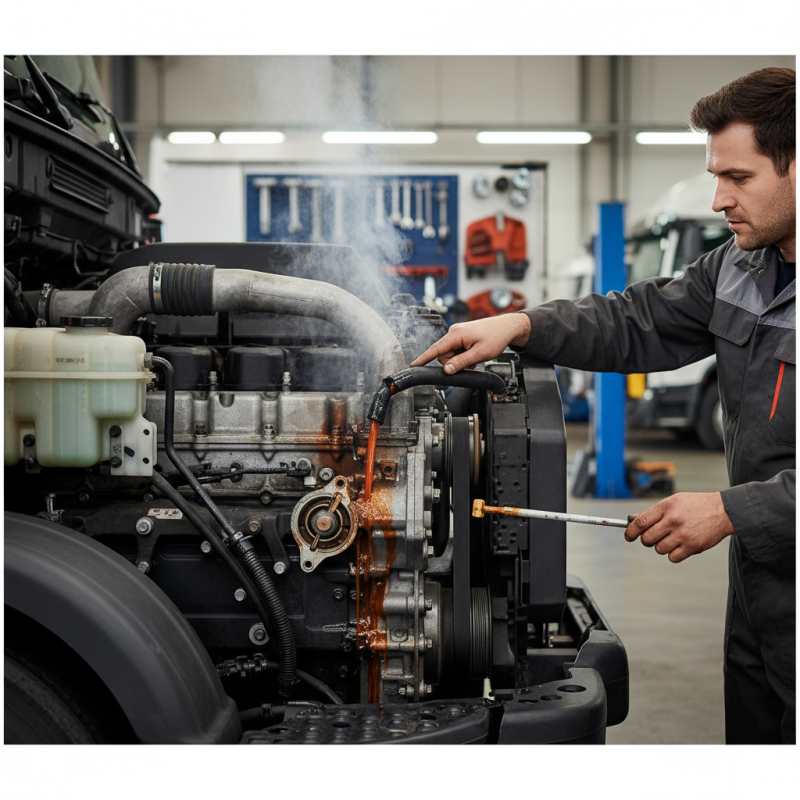
Understanding the Basics of Engine Overheating in Freight Trucks
Engine overheating in freight trucks is a common issue that can lead to costly repairs and downtime. Understanding the basic causes is essential for truck operators. One primary reason is a malfunctioning cooling system. This system relies on coolant to dissipate heat generated by the engine. If the coolant level is low or the radiator is blocked, overheating can occur. Regularly checking the coolant and ensuring the radiator is clear can prevent serious problems.
Another factor is the engine oil. Old or insufficient oil cannot lubricate the engine properly, leading to increased friction and heat. Drivers should monitor oil levels and change it as needed. Additionally, ambient temperature plays a role. Extreme heat can accelerate overheating, especially during long hauls. Operators need to be aware of weather conditions and plan accordingly.
Lastly, engine components such as water pumps and thermostats must be in good working order. If either fails, it can disrupt the cooling process. Operators might overlook these parts until it's too late. Regular inspections and maintenance routines can help catch these issues early. Through proactive measures, the risk of engine overheating can be reduced significantly.
Common Symptoms of Engine Overheating in Freight Trucks
Engine overheating is a significant issue in freight trucks, and it's essential to recognize the common symptoms early. A truck might experience fluctuating temperature gauges. If the engine temperature rises above normal, it can lead to severe damage. Drivers often notice steam coming from the engine hood as an alarming sign. Additionally, strange smells, particularly of burning oil or coolant, may indicate overheating. Unusual engine noises can further signal trouble, prompting immediate attention.
Tips: Regularly check the coolant levels. A low coolant level can quickly lead to overheating. Update your maintenance schedule; routine checks can prevent major issues. Keeping an eye on temperature gauges is vital. Early detection can save on costly repairs later.
Watch for changes in performance. If the engine struggles during normal operations or shows reduced power, it may be overheating. These signs, often ignored, should never be overlooked. Ignoring minor symptoms could escalate to a breakdown. Keep detailed logs of engine temperature readings for patterns; this practice builds awareness. Recognizing potential causes promptly ensures safer transport and protects your investment.
Key Factors Leading to Engine Overheating in Freight Trucks
Engine overheating is a common issue in freight trucks that can lead to serious damage. Certain factors contribute significantly to this problem. One significant cause is low coolant levels. When the coolant is insufficient, it cannot effectively absorb heat from the engine. Regularly check the coolant reservoir and ensure it is at the proper level to prevent overheating.
Another key factor is the condition of the radiator. A clogged radiator hinders airflow and reduces cooling efficiency. It's crucial to inspect the radiator for debris and clean it regularly. Additionally, thermostat issues can cause overheating. A faulty thermostat may prevent coolant from circulating properly. Regular maintenance of these components is essential for optimal engine performance.
Lastly, engine load plays a critical role. Overloading the truck increases engine strain, raising the temperature. Drivers should be vigilant about load limits and distribute weight evenly. Identifying these factors requires experience and awareness. Ignoring them can lead to costly repairs and road breakdowns. Engage in routine inspections and learn from past issues to minimize risks.
Industry Data on Overheating Incidents and Maintenance Costs
Overheating incidents in freight trucks remain a significant concern. Industry data indicates that approximately 30% of all freight truck failures relate to engine overheating. This statistic highlights the urgency for thorough examinations of engine cooling systems and related components. Maintenance costs can escalate quickly too. The average expenditure for fleet maintenance due to overheating issues can reach as high as $10,000 annually per truck.
In examining root causes, leaks in the cooling system, thermostat failures, and low coolant levels frequently emerge. Reports show that 15% of overheating problems stem from insufficient maintenance checks. Many operators regularly overlook simple tasks, such as checking coolant levels, which can lead to severe consequences. Attention to these details is crucial for maintaining peak performance.
The financial impact isn't just from repairs. Downtime due to engine issues can result in lost revenue. A truck out of service for just a few days can cost operators thousands in lost freight opportunities. Rethinking maintenance strategies and adopting predictive analytics could help in identifying issues before they escalate. It’s a critical step that requires accountability and a proactive approach to fleet management.
How to Identify What Causes Engine Overheating in Freight Trucks? - Industry Data on Overheating Incidents and Maintenance Costs
| Incident Type |
Percentage of Incidents (%) |
Average Maintenance Cost ($) |
Common Causes |
| Cooling System Failure |
35 |
1200 |
Leaking hoses, radiator blockage |
| Thermostat Malfunction |
25 |
800 |
Stuck closed, stuck open |
| Water Pump Failure |
20 |
1000 |
Wear and tear, bearing failure |
| Engine Oil Issues |
10 |
650 |
Low levels, wrong type |
| Airflow Restrictions |
10 |
500 |
Blocked grills, debris |
Preventative Measures to Avoid Engine Overheating in Freight Trucks
Engine overheating can lead to severe issues in freight trucks. To avoid this, regular maintenance is essential. Check coolant levels frequently. Insufficient coolant can quickly lead to overheating. Inspect hoses for leaks or wear. A small crack can cause big problems.
Another critical measure is monitoring engine temperature. Use gauges to track temperature changes. If the engine runs hotter than normal, it may signal a problem. Address issues promptly to prevent further damage. Also, clean radiators regularly. Dirt and debris can block airflow, leading to overheating.
Finally, train drivers on proper driving habits. Rapid acceleration and heavy loads can strain engines. Encourage them to maintain steady speeds. This reduces heat buildup. Reflect on practices and stay proactive. Regular checks can save time and money.
FAQS
: Engine overheating commonly occurs due to a malfunctioning cooling system. Low coolant levels or a blocked radiator can lead to this issue.
Insufficient coolant cannot effectively absorb heat from the engine. Regularly check and maintain the coolant level to prevent overheating.
Inspect the radiator for debris and clean it regularly. A clogged radiator reduces cooling efficiency and can lead to overheating.
Old or insufficient oil fails to lubricate the engine properly. Monitor oil levels and change it as needed to avoid increased heat and friction.
Extreme heat accelerates overheating, especially during long hauls. Be aware of weather conditions and plan routes accordingly.
Water pumps and thermostats must function properly. Failures in these parts disrupt cooling, leading to potential overheating issues.
Overloading the truck increases strain on the engine, raising its temperature. Drivers should adhere to load limits and distribute weight evenly.
Use gauges to track engine temperature. If it runs hotter than normal, address issues immediately to avoid further damage.
Rapid acceleration and heavy loads can cause strain on engines. Maintaining steady speeds helps reduce heat buildup.
Routine checks catch potential problems early. Reflecting on past issues can minimize risks and save costs on repairs.
Conclusion
In understanding what causes engine overheating in freight trucks, it is essential to grasp the underlying principles of engine operation and heat dissipation. Common symptoms of overheating include warning lights, steam emissions from the engine, and decreased engine performance. Key factors leading to this issue often encompass insufficient coolant levels, failed water pumps, or clogged radiators.
Industry data reveals that overheating incidents can significantly inflate maintenance costs, making prompt identification and resolution pivotal. To prevent engine overheating, regular maintenance checks, monitoring coolant levels, and ensuring that the cooling system is free from blockages are crucial preventative measures. By addressing these aspects, truck operators can mitigate the risks associated with engine overheating and ensure better operational efficiency.

 CKLER Vehicle