Top 10 Causes of Tire Wear in Long Haul Trucking?

Time:2026-05-13 Author:Liam
0%

Long-haul trucking presents unique challenges, and tire wear is a significant concern. Many drivers and fleet operators often ask, "what causes tire wear in long haul trucking?" Understanding this issue is crucial for maintaining safe and efficient operations. Tire wear affects fuel efficiency, safety, and overall costs.

Several factors contribute to excessive tire wear in long-haul scenarios. These include improper inflation, misalignment, and road conditions. Each factor can lead to uneven wear patterns, resulting in premature tire replacement. The effects of overloading or frequent sharp turns can also amplify these issues.

Addressing tire wear proactively requires assessing driving habits and maintenance routines. It’s essential to reflect on how these elements impact tires. Implementing systematic checks and being mindful of driving practices can lead to significant improvements. A more thorough understanding of what causes tire wear can save money and enhance road safety over time.
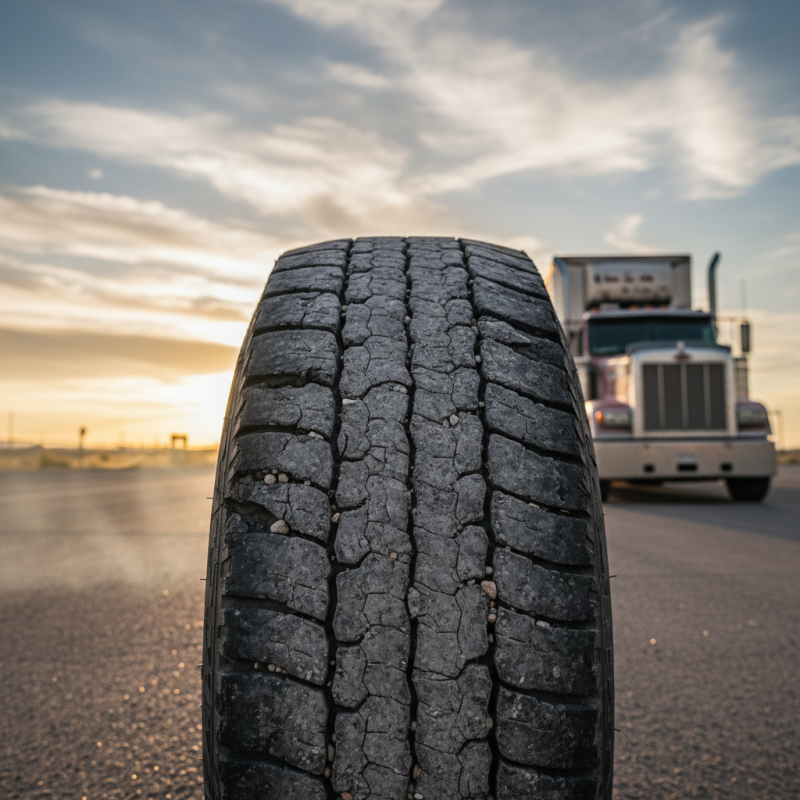
Top 10 Causes of Tire Wear in Long Haul Trucking?

Common Tire Wear Patterns in Long Haul Trucking

In long haul trucking, tire wear can be a critical issue. Different patterns of tire wear often signal underlying problems. For instance, uneven tread wear might indicate improper alignment. This misalignment can lead to costly replacements and unsafe driving conditions. Both drivers and fleet managers must pay close attention to these signs.

Another common pattern is center wear, which often results from overinflation. When tires are too inflated, they lose contact with the road. This not only causes rapid wear but also impacts fuel efficiency. On the other hand, edge wear typically stems from underinflation. Drivers might overlook this, but it can drastically shorten the tire’s lifespan.

Regularly inspecting tire pressures and tread depth is essential. This may seem tedious but can prevent bigger issues down the road. Ignoring these details can lead to unexpected breakdowns. Some drivers may feel they have enough experience to judge tire condition without rigorous checks. However, this approach can be shortsighted and lead to oversights.

Impact of Weight Distribution on Tire Longevity

Weight distribution plays a crucial role in the longevity of tires in long-haul trucking. When weight is unevenly distributed, certain tires endure more stress. This leads to premature wear and costly replacements. A truck that frequently carries heavy loads can suffer from uneven tire wear if not managed correctly. Checking the weight on each axle can help prevent this issue.

To ensure uniform weight distribution, regularly examine your cargo load. Position heavier items near the center. This approach balances the weight across all tires. Avoid stacking heavy cargo on one side for long trips. It may lead to faster degradation on those tires.

Tip: Use a truck scale to weigh your vehicle regularly. Adjust your load as needed. This simple step can significantly extend tire life.

Be aware of how tire alignment affects wear patterns too. Misalignment can cause tires to wear unevenly, even with proper weight distribution. Routine alignment checks can save you money in the long run. Regular maintenance ensures that your truck remains roadworthy and efficient.

Effects of Road Conditions on Tire Wear in Long Haul Operations

Road conditions significantly impact tire wear in long-haul trucking. Studies show that rough surfaces can increase tire wear by 30%. Potholes, cracked asphalt, and gravel roads create uneven pressure on tires. This stresses the rubber, leading to premature wear. Trucks driving on smooth highways enjoy a 20% longer tread life.

Weather also plays a role. Wet roads reduce traction and increase slipping. This adds to the heat generated, causing tires to wear faster. A report from the American Trucking Association notes that tires can lose 10% of their lifespan due to improper inflation, particularly in wet conditions. Maintaining optimal tire pressure is crucial for longevity.

Tips: Regularly inspect tires for signs of uneven wear. Rotate tires every 6,000 to 8,000 miles. This helps distribute wear evenly. Consider the time of year and adjust tire maintenance accordingly. In icy conditions, tires may need additional attention due to increased friction. Keeping road conditions in mind is essential for maximizing tire life and ensuring safety.

Importance of Regular Tire Maintenance in Preventing Wear

Tire maintenance is crucial for long-haul trucking. Regular checks ensure safety and efficiency. Drivers often overlook tire pressure and tread depth. This oversight can lead to premature wear. Monitoring these aspects prevents costly replacements and enhances fuel efficiency.

Routine inspections should identify uneven wear patterns. These patterns can signal alignment issues or improper loading. Ignoring these signs may compound wear problems. A simple rotation every few thousand miles can extend tire life. Regular maintenance checks should become a habit for every driver.

Neglecting tires poses risks beyond wear. Driver safety is compromised when tires fail. It’s not just about cost; it’s about accountability. Keeping a maintenance log can help track issues over time. By taking proactive steps, drivers and operators can ensure longer-lasting tires on the road.

Understanding Alignment and Its Role in Tire Health

Tire alignment is crucial for the longevity of tires in long-haul trucking. Proper alignment ensures that tires wear evenly, enhancing performance and safety. Misalignment causes uneven tire wear, leading to costly replacements. Drivers often notice their trucks pulling to one side or vibrations, symptoms of alignment issues that can affect tire health.

Regular alignment checks can prevent premature wear. This practice is often overlooked in routine maintenance. A professional alignment service measures angles and makes necessary adjustments. Many drivers might delay this service, thinking it’s unnecessary. However, neglecting alignment can lead to worse problems, including decreased fuel efficiency and increased risk of blowouts.

After a long trip, checking tire wear patterns is essential. Drivers may notice uneven wear patterns indicating alignment issues. A subtle wear on one edge could mean a significant misalignment. Addressing these issues promptly can save time and money in the long run. Long-haul trucking requires diligence; every detail matters in maintaining equipment health and safety.

FAQS

: How do road conditions affect tire wear in long-haul trucking?

: Rough surfaces can increase tire wear by 30%. Potholes and gravel create uneven pressure on tires.

What impact does weather have on tire lifespan?

Wet roads reduce traction, leading to faster tire wear. Heat generated from slipping adds to this issue.

How crucial is tire pressure for tire longevity?

Improper inflation can shorten tire lifespan by 10%. Regular checks are vital, especially in wet conditions.

What maintenance tips can extend tire life?

Regular inspections for uneven wear and rotating tires every 6,000 to 8,000 miles are essential.

Why is tire alignment important?

Proper alignment prevents uneven wear and enhances safety. Misalignment can lead to costly tire replacements.

What signs indicate alignment issues?

Trucks pulling to one side or vibrations are common symptoms. These may affect overall tire health.

How often should alignment checks be performed?

Regular checks are often overlooked, but they are important to avoid premature wear on tires.

What happens if tire wear patterns are ignored?

Ignoring uneven patterns can compound wear issues and lead to expensive replacements.

Why should drivers maintain a tire log?

Keeping a maintenance log helps track issues over time, ensuring proactive care for longer-lasting tires.

What risks come from neglecting tire maintenance?

Neglecting tires not only leads to wear but can also compromise driver safety on the road.

Conclusion

In the realm of long haul trucking, understanding what causes tire wear is essential for ensuring safety and efficiency on the road. Common tire wear patterns often arise from factors such as improper weight distribution, which can lead to uneven wear and decreased tire longevity. Additionally, road conditions play a crucial role, as potholes, debris, and varying pavement types can exacerbate wear rates, impacting operational costs over time.

Regular tire maintenance is indispensable in preventing excessive wear, including proper inflation and tread inspection. Furthermore, understanding the importance of alignment helps maintain tire health by ensuring that all tires make optimal contact with the road surface. By addressing these factors, trucking operators can significantly enhance tire performance and extend their lifespan, ultimately improving overall fleet operations.

Liam

Liam

Liam is a dedicated marketing professional with a profound expertise in the industry, where he excels at highlighting the unique advantages of our core products. With a keen understanding of market trends and consumer needs, Liam frequently updates our company’s professional blog, providing......