Driving uphill poses significant challenges for trucks. These large vehicles often struggle with steep gradients, affecting their performance and safety. The question remains: why do trucks struggle with uphill driving? Several factors contribute to this issue.
First, the weight of trucks plays a crucial role. Most trucks carry heavy loads, which require more power to ascend inclines. The engine must work harder, which can lead to overheating or reduced efficiency. Additionally, the gear ratios in trucks may not be optimized for climbing steep hills. Lower gears can help, but they can also strain the engine.
Moreover, the design of trucks impacts their uphill capabilities. Their large size and aerodynamics can hinder airflow, reducing engine performance. Drivers must be skilled in managing these challenges. Uphill driving requires experience and knowledge of the vehicle’s limits. Understanding why trucks struggle with uphill driving can lead to more effective solutions and improved safety on the road.
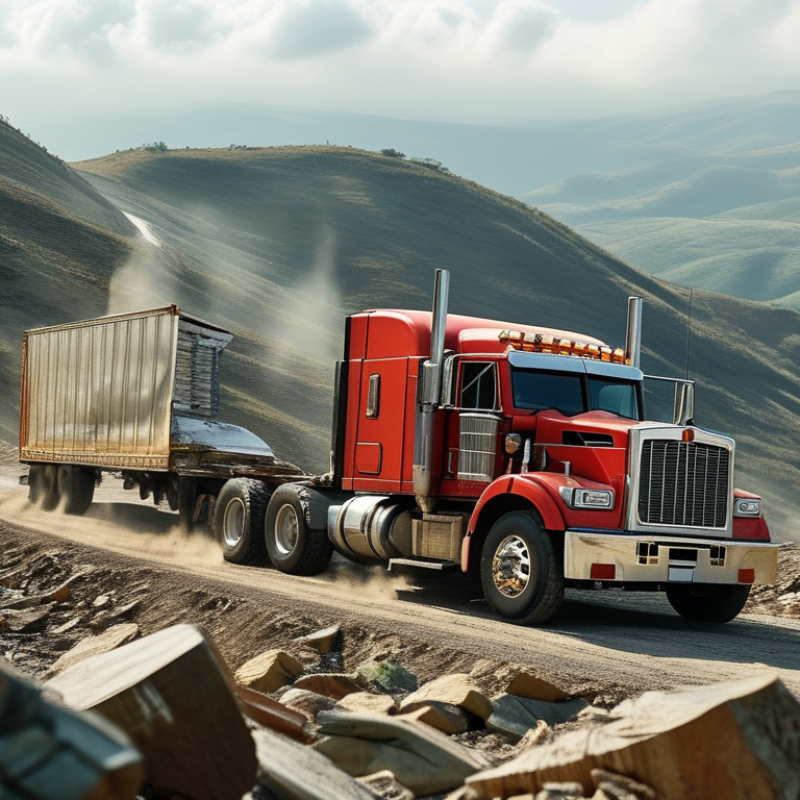
Uphill driving presents unique challenges for trucks, significantly impacting their performance. A truck's weight plays a critical role. Heavier vehicles naturally encounter more resistance on slopes. This resistance affects acceleration and overall efficiency. Engine power and torque distribution also influence how well a truck ascends. Trucks with insufficient power may struggle.
Tires and traction are key factors on inclines. The right tires provide necessary grip. Worn-out tires can lead to slippage, making hills daunting. Weight distribution affects traction as well. An unbalanced load can cause the rear wheels to lose grip, impairing the vehicle's control.
Tips: Ensure tires are in good condition. Regularly check tire pressure and tread depth. Balance loads effectively for improved performance. Don't underestimate the truck's engine power; know your vehicle's limits. Monitor exhaust temperatures and gear ratios to optimize performance. Understanding these factors can significantly enhance uphill driving capabilities.
Engine power and torque are crucial in truck design, especially for uphill driving. Torque refers to the rotational force produced by the engine. When a truck climbs a steep hill, high torque is necessary to overcome gravity and maintain speed. Most trucks employ diesel engines, known for their torque-rich performance. This characteristic makes them suitable for heavy loads and challenging terrains.
However, not all trucks perform equally well on inclines. Some models may prioritize fuel efficiency over torque. This can lead to a struggle when driving uphill. In such cases, the engine might not deliver sufficient power to the wheels. As a result, the driver could experience frustration and increased wear on components. While engineers aim for balance, not every design choice meets real-world demands.
Additionally, weight distribution plays a significant role. A poorly balanced load can exacerbate uphill struggles. Trucks with heavy rear loads may experience reduced traction. This complicates climbing steep grades. Drivers should consider these factors when choosing trucks for heavy-duty tasks. Achieving optimal performance demands careful attention to engine specifications and load management.
Uphill driving presents unique challenges for trucks. One of the key factors is weight distribution. Proper weight distribution can significantly impact how a truck handles inclines. When weight is concentrated at the rear, it can cause the vehicle to skid. If front weight is insufficient, traction is lost. These dynamics are crucial for safe uphill travel.
Maintaining a balanced load is essential. Distribute cargo evenly across the truck bed. This way, the center of gravity remains stable. Heavy items should be secured near the axles. This minimizes the risk of tipping or losing control.
**Tips for improved uphill driving:**
- Always check cargo placement before a trip.
- Consider using load straps for securing heavy items.
- Regularly inspect tires for wear. Proper tire pressure helps maximum traction.
Weight distribution isn’t the only factor to address. The truck’s overall weight affects engine power and braking ability. Heavier trucks may struggle more on steep grades. This can lead to overheating and increased brake wear. Reflecting on these issues can enhance driving techniques and vehicle safety.
Uphill driving presents unique challenges for trucks, primarily due to their weight and the terrain's gradient. One of the crucial components affecting performance is the transmission system. A truck’s transmission not only transfers power from the engine but also plays a key role in navigating steep inclines. According to industry reports, vehicles with manual transmissions often struggle with maintaining speed on hills because they require more driver skill. Conversely, automatic transmissions typically offer better performance, allowing for smoother power delivery.
Power distribution is vital when a truck ascends a steep hill. Trucks can weigh up to 80,000 pounds when fully loaded. This weight demands a robust transmission that adjusts to load conditions. Data shows that trucks equipped with advanced automatic transmissions can improve efficiency by 20% compared to standard systems. However, not all systems adapt effectively. Some older models can overheat and lead to mechanical failures.
The gear ratio in the transmission affects a truck’s ability to climb. Ideal ratios provide better torque and power to the wheels. However, a mismatch can hinder performance. This can result in increased fuel consumption and slower ascents. Many fleet operators overlook this aspect during maintenance checks. They often focus on engine health but neglect transmission efficiency, which is critical for successful uphill driving.
Uphill driving presents a unique challenge for trucks, often due to their
heavy loads and mechanical limitations. To improve performance, drivers can
adopt specific strategies.
Proper gear selection
is critical. Drivers should engage lower gears early to maintain power
without overloading the engine. This technique helps control speed and torque
on inclines.
Maintaining speed on steep grades is another key factor. Gradually
accelerating before the hill is beneficial. This
strategy avoids sudden strain on
the engine and transmission. Drivers might find that a steady pace reduces
the risk of overheating.
Tips: Check tire pressure
regularly. Under-inflated tires add unnecessary drag. Another tip is to
distribute loads evenly. Imbalanced
loads can make climbing more difficult. Ensuring the weight is
well-distributed will help enhance stability and performance. Reflecting on
these practices might enlighten drivers about areas needing improvement.
Maintaining a routine check of the truck's performance can also provide
insights into long-term enhancements.
: Weight, engine power, torque distribution, and tire condition all significantly influence performance on hills.
Uneven weight can lead to skidding or loss of traction. Balancing cargo is essential for safe ascents.
Good tires provide grip, while worn-out ones can cause slippage. Regular checks are crucial for safety.
Trucks with insufficient power struggle on inclines. Understanding engine limits is vital for effective driving.
Check tire pressure, balance loads, and monitor engine temperature. These practices enhance performance and safety.
Gradually accelerating reduces engine strain. A steady pace helps avoid overheating and improves overall control.
Secure heavy items near axles and distribute weight evenly. This minimizes risk and enhances stability.
Routine checks provide insights into truck performance and highlight areas needing attention or improvement.
Heavily loaded trucks may struggle on steep grades, leading to overheating and increased brake wear.
Reflecting can reveal improvement areas and encourage better decision-making while driving uphill.
The article titled "Why Do Trucks Struggle With Uphill Driving Solutions?" delves into the critical factors that affect truck performance on inclines. It examines aspects such as engine power and torque, which are essential in truck design for navigating steep grades. Additionally, the article highlights the significance of weight distribution and how improper load balance can hinder uphill progress. Transmission systems also play a crucial role in managing power delivery during ascents, impacting overall efficiency.
To address these challenges, common solutions for enhancing truck uphill performance are discussed, focusing on optimizing engine specifications, improving weight management techniques, and upgrading transmission systems. Understanding why do trucks struggle with uphill driving is vital for manufacturers and operators seeking to enhance performance and ensure safer driving conditions in hilly terrains.
CKLER Vehicle