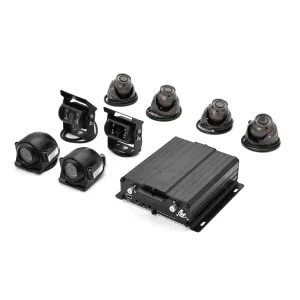
Explore our certified hardware array designed to integrate seamlessly with industrial monitoring environments and fleet management networks.
Dongguan CKLER Vehicle Co., Ltd. is a professional manufacturer specializing in heavy-duty trucks and long-haul freight transport solutions. The company is dedicated to the research, development, production, and global supply of high-performance commercial vehicles designed for logistics, construction, and industrial transportation applications.
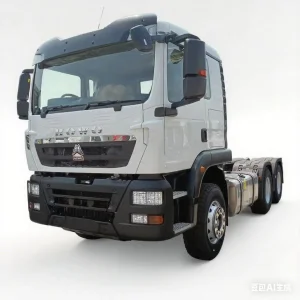
With strong engineering capabilities and advanced manufacturing facilities, CKLER Vehicle provides a wide range of heavy transport solutions, including long-distance freight trucks, tractor units, semi-trailer systems, cargo lorries, and logistics fleet vehicles. These vehicles are designed to deliver superior durability, fuel efficiency, and load-carrying performance under demanding road and working conditions.
Dongguan CKLER Vehicle Co., Ltd. focuses on safety, reliability, and operational efficiency. Each vehicle is manufactured under strict quality control systems and complies with international automotive standards. Advanced powertrain systems, reinforced chassis structures, and intelligent control technologies ensure stable performance across various transportation environments.
The company also offers OEM and ODM customization services to meet the specific requirements of logistics companies, fleet operators, and industrial transport projects worldwide. Its products are widely used in domestic and international markets across Asia, Africa, the Middle East, and South America.
By integrating innovation with practical engineering design, CKLER Vehicle continues to enhance the efficiency and sustainability of global freight transportation. The company is committed to becoming a trusted global partner in heavy-duty truck manufacturing, delivering reliable, efficient, and cost-effective logistics transport solutions for modern supply chain operations.
Modern logistics demand complete visibility. Our integrated heavy-duty transport platforms are engineered to pair natively with advanced telematics ecosystems. By deploying high-accuracy CAN-bus nodes, real-time diagnostic systems, and specialized sensor equipment, we ensure your assets are continuously tracked, optimized, and protected.
Understanding how raw fleet data translates into dynamic operational cost reductions and asset longevity.
Fuel costs represent up to 35% of total operating expenses. Implementing capacitive fuel level sensors directly integrated with OBD-II and CAN-bus telemetry eliminates up to 90% of fuel discrepancy issues and prevents unauthorized fuel siphoning.
By computing fault codes at the hardware edge before transmitting via 4G/5G networks, modern MDVR and vehicle controller gateways dramatically reduce network payloads while providing instant alerts for preventive maintenance cycles.
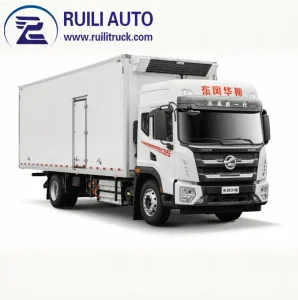
With strict compliance structures like FSMA (Food Safety Modernization Act) and EN 12830 standards globally, refrigerated cargo vans now deploy advanced multi-zone temperature data loggers linked directly to satellite fleet management backbones.
Enterprise procurement professionals look beyond simple tracking; hardware robustness, data protection, and legal compliance dictate long-term project viability.
Procuring fleet monitoring systems for heavy trucks requires stringent engineering evaluations. Devices operating in long-haul networks face severe mechanical stresses, wide temperature ranges, and electrical fluctuations. High-quality vehicle fleets must feature CE Certification to guarantee electromagnetic compatibility (EMC) and total safety compliance under European directives.
| Compliance Category | Technical Standard / Protocol | Practical Application in Fleet Operations |
|---|---|---|
| Electromagnetic Safety | CE EN 301 489, UNECE R10 (E-Mark) | Prevents telemetry hardware from interfering with core vehicle ECU operations and braking systems. |
| Enclosure Protection | IP67 / IP69K IEC 60529 | Guarantees operations in mining regions, extreme precipitation, and hot water pressure washes. |
| Vehicle Communication | SAE J1939, OBD-II (ISO 15765) | Standardizes how telemetry retrieves engine speed, fuel rates, engine coolant temps, and DTCs. |
| Data Transmission Security | TLS 1.3 / HTTPS / MQTT over TLS | Secures location and operational metrics from third-party interception, complying with strict GDPR protocols. |
| Power Management | ISO 7637-2 Surge Protection | Protects fleet equipment against severe electrical surges (load dump) common in heavy truck alternators. |
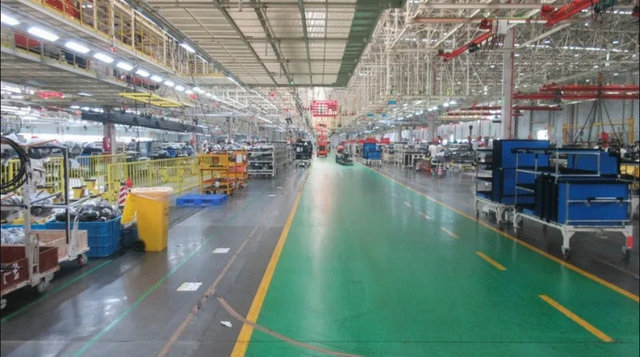
Located in Dongguan, the global core of electronics and precision industrial engineering, our production facilities employ advanced Factory 4.0 configurations. We bridge the gap between heavy automotive engineering and micro-electronic IoT assemblies.
By controlling the vertical supply chain, from the reinforced steel structures of our tractor frames down to the firmware layer of the OBD gateways, we bypass typical vendor delays. This structural design ensures that our OEM/ODM adjustments are implemented rapidly. It also ensures that components remain fully interoperable under high operational loads.
Our assembly protocols feature automated calibration of sensor components (including capacitive fuel level probes and hydraulic pressure sensors), robotic chassis welding, and high-frequency vibro-acoustic testing. As a result, this process delivers a level of equipment resilience that traditional retrofitted third-party monitoring packages cannot match.
How customized fleet monitoring solves targeted industrial operational problems across global markets.
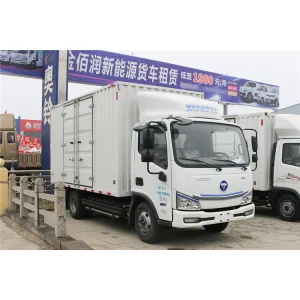
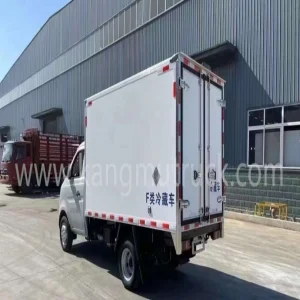
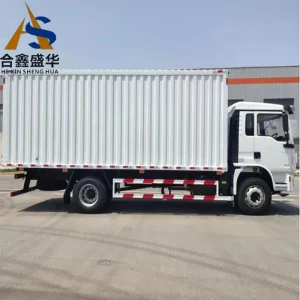
Operating vehicles like the Changan X1 Small Size Refrigerated Truck in congested urban zones demands continuous monitoring. Temperature unit telemetry monitors compartment temperatures down to ±0.1°C. It alerts fleet operators via instant push API protocols when doors stay open too long, safeguarding fresh produce.
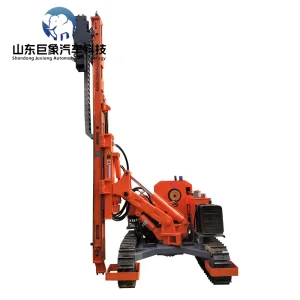
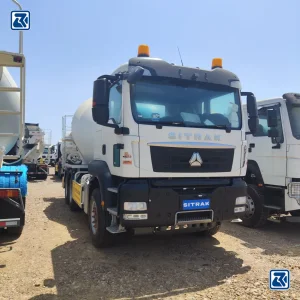
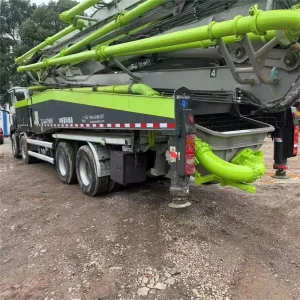
Heavy construction machinery (e.g. Sinotruk HOWO Hydraulic Concrete Mixers or PV Solar Pile Rigs) operates under heavy dust, mud, and intense vibration. Integrating heavy telemetry allows managers to track active machine working hours, hydraulic pump cycles, and engine load. This optimization helps schedule repairs before catastrophic component failures happen on-site.
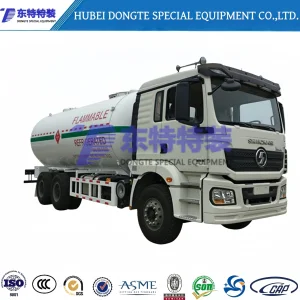
Transporting hazardous liquids or gases using the LPG Propane Bobtail Tank Truck requires strict safety parameters. Flow-meter diagnostics and valve monitoring systems are integrated directly with central fleet servers. As a result, this setup ensures that every liter discharged is accounted for, while preventing any leaks along the delivery route.
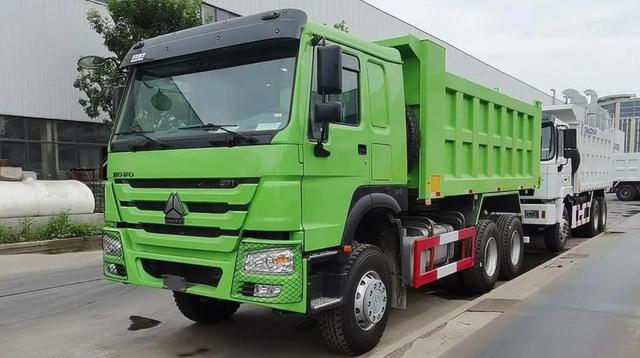
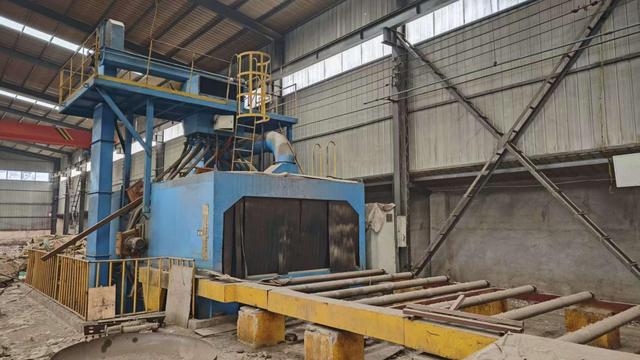
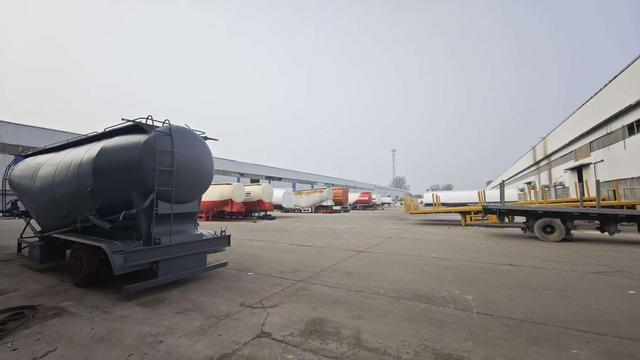
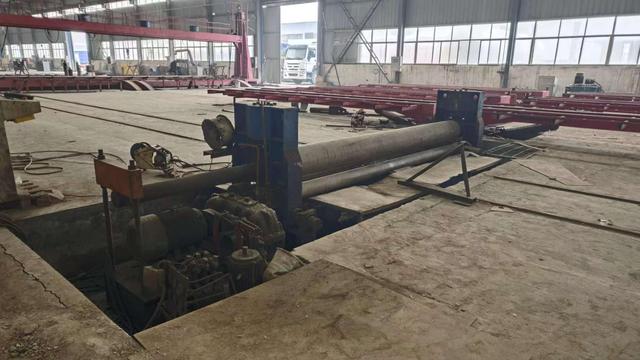
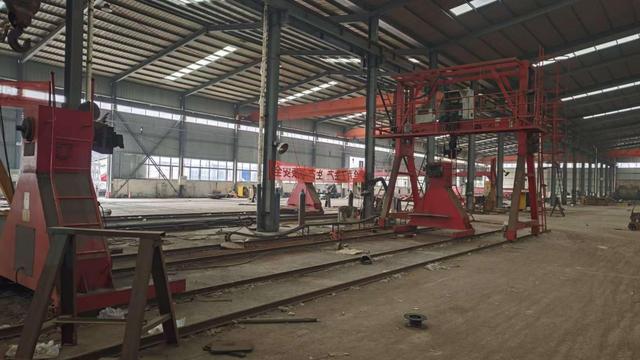
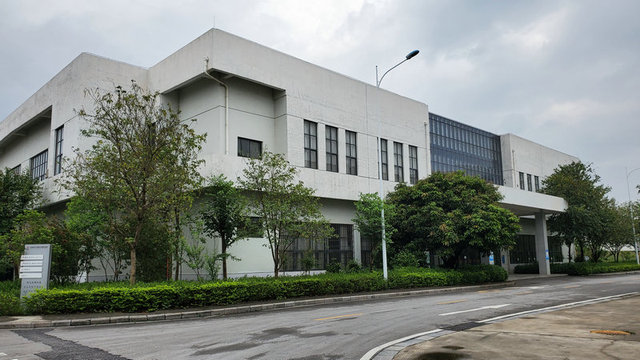
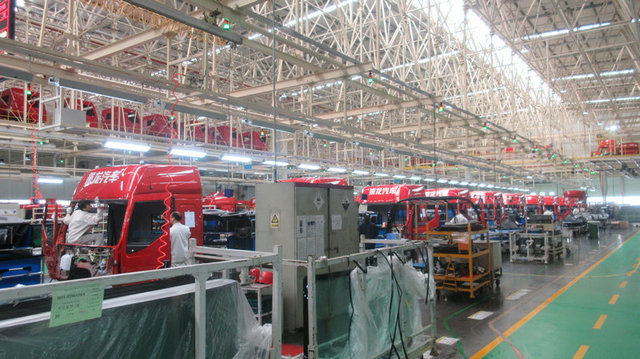
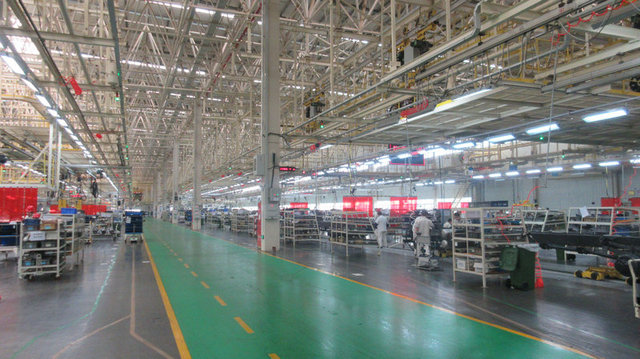
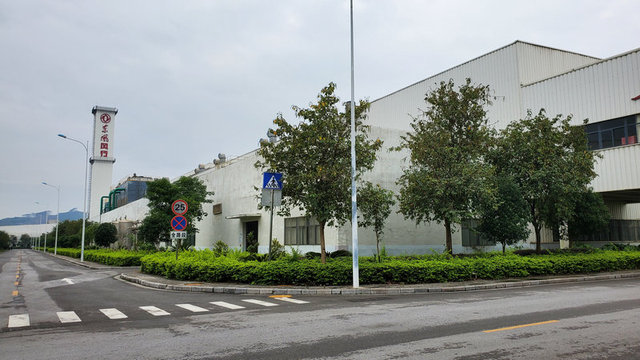
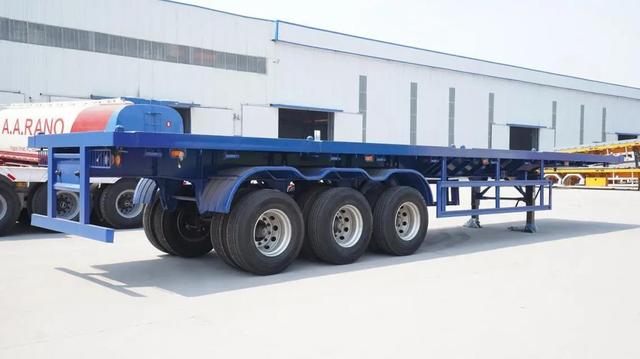
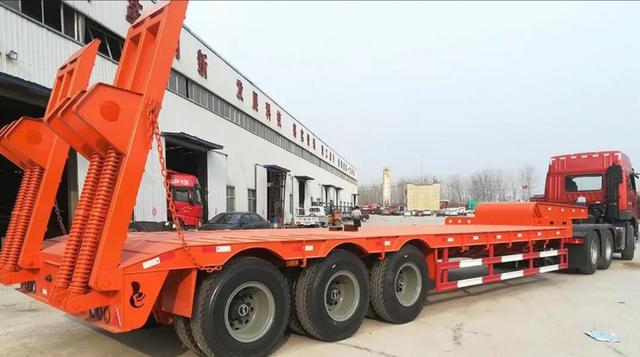
A transparent look inside our heavy-duty automotive manufacturing floor, structural assembly shops, and precision inspection stations.

Get answers to common technical, design, compliance, and integration questions from our engineering department.
All our integrated monitoring equipment and electrical sub-assemblies undergo strict electromagnetic compatibility (EMC) and low voltage safety assessments at accredited test laboratories. This process ensures that high-frequency GPS transmissions, 4G cellular links, and local CAN-bus networks comply with EU directives without disrupting the host vehicle's functional systems.
Yes. Our fleet configurations support digital capacitive fuel sensors, resistive probes, and ultrasonic fuel sensors. By utilizing RS232/RS485 interfaces or linking to the vehicle's CAN-bus network via J1939 protocols, operators receive fuel level measurements accurate to within 1% of total capacity, along with instant alerts for sudden fuel level drops.
Our hardware designs feature integrated transient voltage suppressors (TVS diodes) and protective filters that comply with ISO 7637-2 standards. This design ensures that typical automotive electrical transients, such as engine starter motor load dumps, do not damage sensitive tracking components.
Yes. As a primary manufacturer, we provide OEM/ODM customization services. We can configure specialized sensor mounts, adapt hardware to communicate with custom ERP platforms, adjust wiring designs, and customize cabinet specifications to meet unique logistics requirements.
For vehicles like our refrigerated cargo trucks, temperature sensors use digital bus lines (such as 1-Wire or Modbus) to transmit data to the cabin's central gateway. This gateway secures all sensor metrics using cryptographic TLS 1.3 encryption protocols before sending them to fleet management databases, which prevents spoofing and keeps compliance logs intact.
If cellular signals are lost, the integrated tracking device stores coordinates and sensor logs in its internal flash memory. Once the vehicle re-enters network range, the gateway automatically connects and uploads the stored data to the cloud dashboard, preventing any data loss.
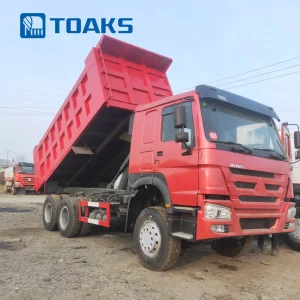
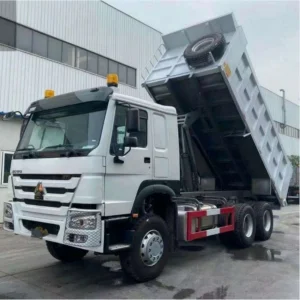
Browse our selection of logistics units and special purpose vehicles, engineered for complex global transport tasks.
 CKLER Vehicle