Engineered for extreme workloads, high capacity, and micro-precision transport needs.
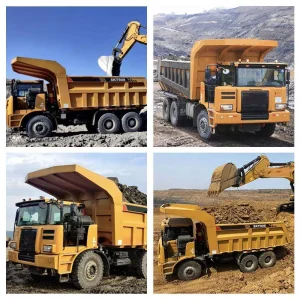
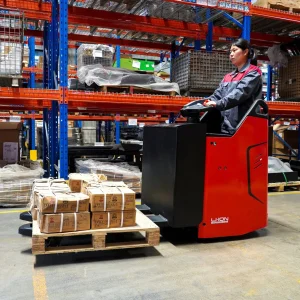
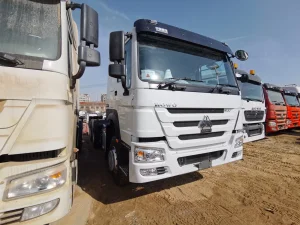
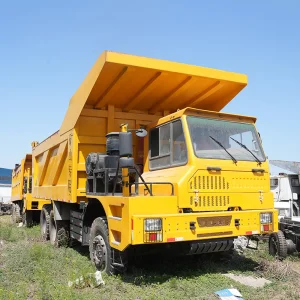
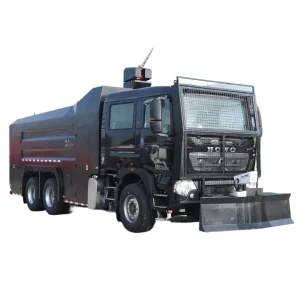
The global benchmark for heavy-duty fleet configurations and advanced climate-integrated freight machinery.
Dongguan CKLER Vehicle Co., Ltd. is a professional manufacturer specializing in heavy-duty trucks and long-haul freight transport solutions. The company is dedicated to the research, development, production, and global supply of high-performance commercial vehicles designed for logistics, construction, and industrial transportation applications.
With strong engineering capabilities and advanced manufacturing facilities, CKLER Vehicle provides a wide range of heavy transport solutions, including long-distance freight trucks, tractor units, semi-trailer systems, cargo lorries, and logistics fleet vehicles. These vehicles are designed to deliver superior durability, fuel efficiency, and load-carrying performance under demanding road and working conditions.
Dongguan CKLER Vehicle Co., Ltd. focuses on safety, reliability, and operational efficiency. Each vehicle is manufactured under strict quality control systems and complies with international automotive standards. Advanced powertrain systems, reinforced chassis structures, and intelligent control technologies ensure stable performance across various transportation environments.
The company also offers OEM and ODM customization services to meet the specific requirements of logistics companies, fleet operators, and industrial transport projects worldwide. Its products are widely used in domestic and international markets across Asia, Africa, the Middle East, and South America.
By integrating innovation with practical engineering design, CKLER Vehicle continues to enhance the efficiency and sustainability of global freight transportation. The company is committed to becoming a trusted global partner in heavy-duty truck manufacturing, delivering reliable, efficient, and cost-effective logistics transport solutions for modern supply chain operations.
Addressing global demand for temperature-sensitive cargo logistics and multi-zone thermal integrity.
Vaccines, biological therapies, and clinical trials demand absolute temperature containment, often strictly bounded between 2°C and 8°C or deep sub-zero settings. Our high-performance climate-controlled chassis offer automated secondary back-ups to eliminate risk during trans-continental transit.
Microchips, wafer arrays, and high-precision optics are highly sensitive to thermal cycling and moisture contamination. CKLER’s logistics structures combine robust structural dampening with active ambient control to safeguard solid-state devices from degradation.
Minimizing post-harvest food waste requires precise multi-temperature zoning inside trailers. Our trailers support independent fresh (-2°C), frozen (-18°C), and ambient partitions, optimizing the fuel economy per cubic meter while conforming to HACCP principles.
A deep dive into regulatory shifts, carbon-reduction targets, and cargo security benchmarks.
The global temperature-controlled transport infrastructure faces unprecedented pressures. Fuel costs, combined with stricter carbon footprints and the expansion of biological therapeutics, have elevated refrigeration reliability from a operational convenience to a regulatory obligation. With major markets enacting stringent GDP (Good Distribution Practice) regulations, cargo tracking, real-time telemetry, and historical cooling logs are mandatory.
| Transport Category | Optimal Temperature Range | Key Regulatory Standards | Critical Engineering Focus |
|---|---|---|---|
| Vaccines & Biologics | -80°C to -20°C / 2°C to 8°C | GDP Compliant, FDA Title 21 CFR | Dual Redundant Systems, Continuous Logging |
| Fresh Produce & Produce | 0°C to 4°C | HACCP, USDA, EU Food Law | High Airflow Uniformity, Humidity Regulation |
| Precision Chemicals | 15°C to 25°C | ADR, IMO Dangerous Goods Code | ATEX Spark-proof Units, Heavy Frame Stability |
| Frozen Goods / Meats | -25°C to -18°C | ATP Agreement Class F | Insulation K-Value < 0.4 W/m²K, Rapid Pulldown |
CKLER Vehicle addresses these challenges through mechanical design breakthroughs. By utilizing aerospace-grade polyurethane foam insulation with high-density vacuum panel insulation (VIP), our cold-chain bodies achieve optimal thermal insulation. This construction minimizes heat leakage by up to 25% compared to standard commercial boxes, directly lowering the operational duty cycle of the refrigeration compressors and extending the operating range of both fuel-powered and electric fleet vehicles.
Assuring local regulatory alignments, physical modifications, and end-to-end certification pathways.
Our climate-controlled transport vehicles comply fully with the ATP Agreement, certifying that our systems can maintain internal temperatures regardless of extreme external summer heat of 40°C+.
For pharmaceutical logistics, we incorporate stainless steel sanitary flooring, anti-microbial wall liners, and multi-sensor wireless telemetry to satisfy food and drug safety policies globally.
Whether routing through the sub-zero terrain of Northern Europe or the deserts of the Middle East, our drivetrains and suspension structures are customized for specialized axle loads and local codes.
We coordinate with local chassis providers, offering custom sub-frame adaptors for Mercedes, Volvo, Scania, HOWO, and Beiben platforms, ensuring simple assembly and servicing.
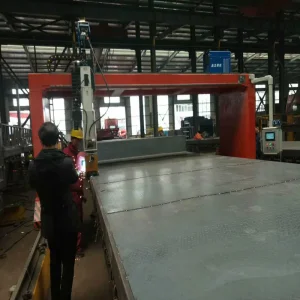
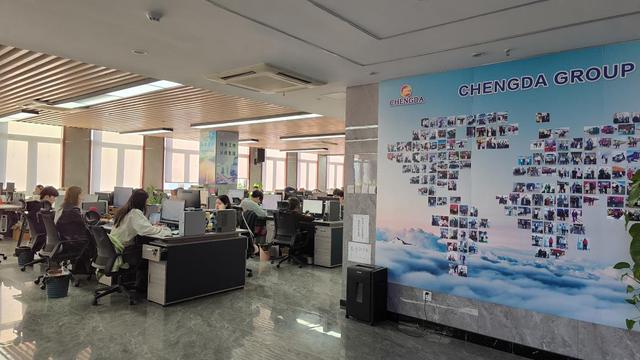
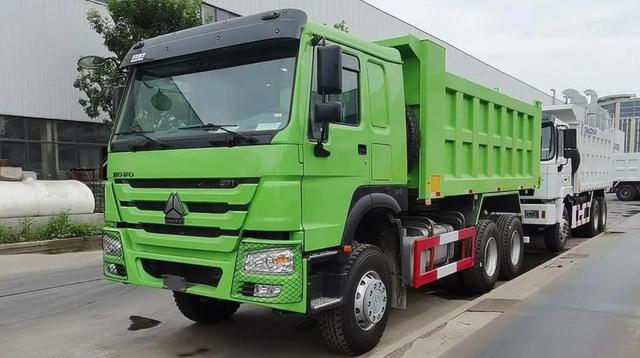
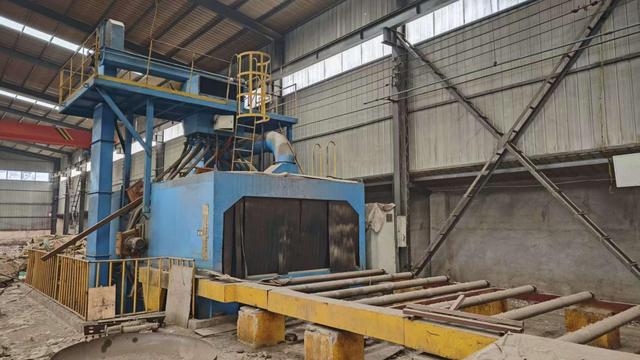
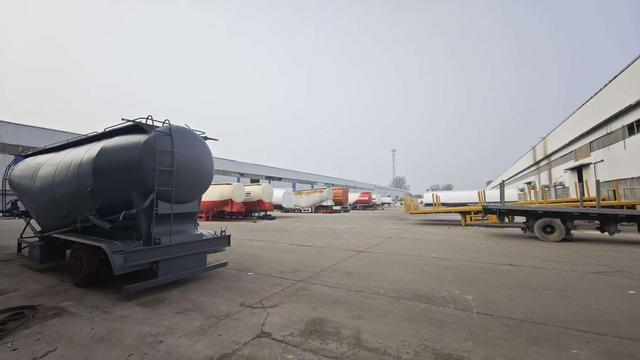
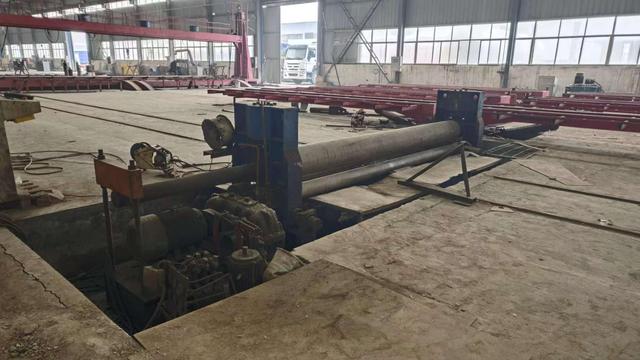
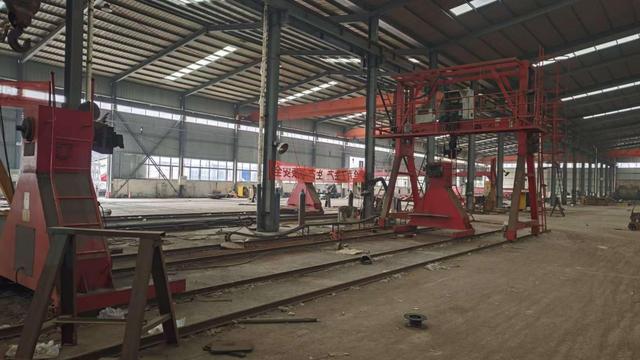
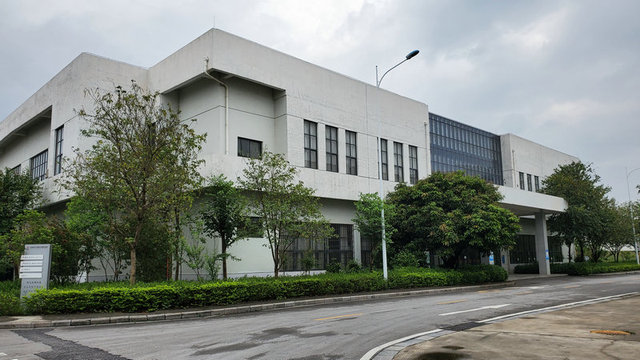
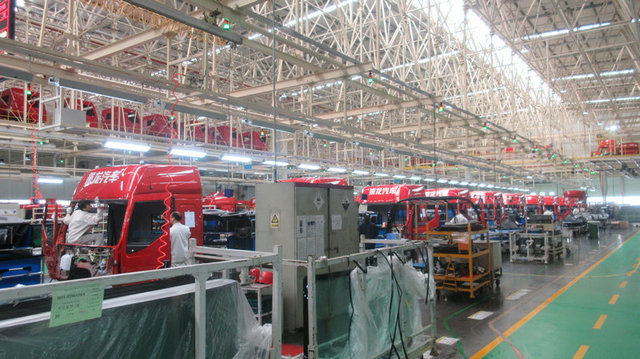
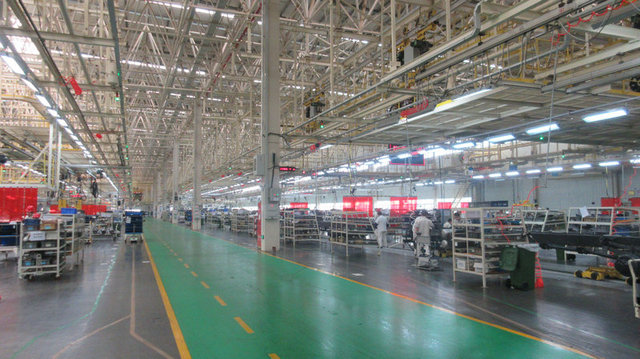
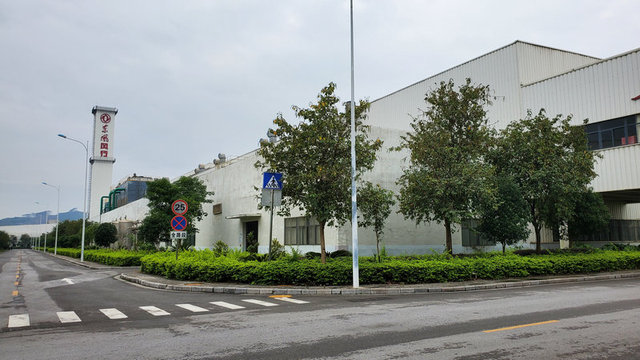
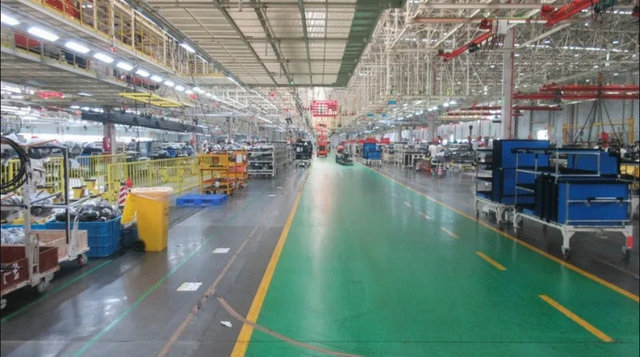
Inside CKLER’s advanced manufacturing facility: precision structural assembly, system integration, and quality control.
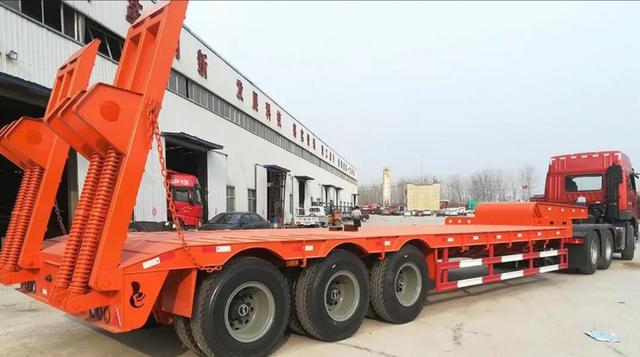
Decarbonization, smart sensors, and structural weight reduction paradigms (2025–2030).
The evolution of specialized transportation is driven by environmental standards and digitisation. CKLER Vehicle’s engineering team is actively pursuing a three-tier development roadmap designed to maintain industry-leading status in efficiency and safety.
Recognizing the global shift toward zero-emission urban delivery, we are developing multi-axle kinetic energy recovery systems (KERS) that feed auxiliary power to refrigeration compressors. This setup reduces the diesel load of transport units, minimizing fuel consumption on long haul routes.
Future climate fleets will not just report temperatures—they will predict thermal changes. Our upcoming software architecture monitors ambient weather forecasts, route terrain, and tire pressure to optimize compressor activity pre-emptively, saving power over long-haul routes.
By utilizing carbon-fiber reinforced plastics (CFRP) and aluminum-honeycomb core subframes, our R&D team plans to reduce the curb weight of trailer body shells by up to 18%. This allows fleet operators to increase legal payloads without exceeding maximum axle weight limits.
Technical insights, commercial requirements, and configuration options from our engineering department.
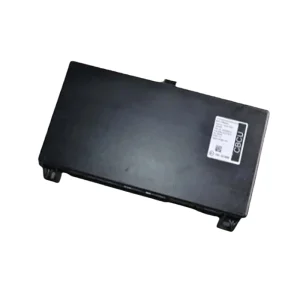
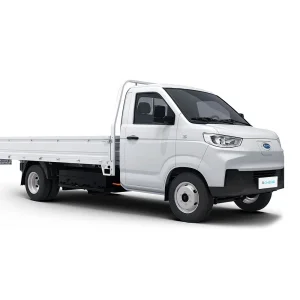
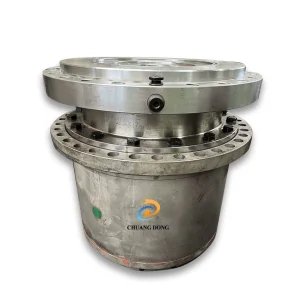
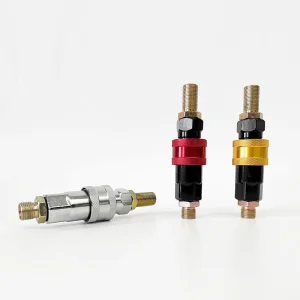
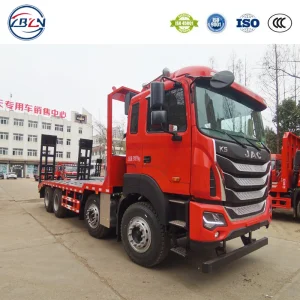
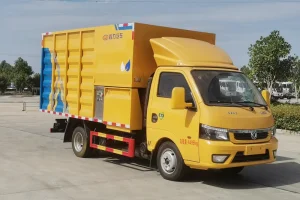
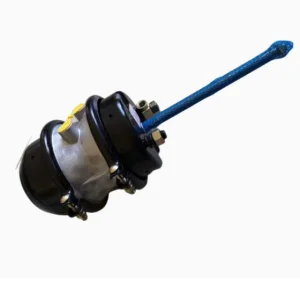
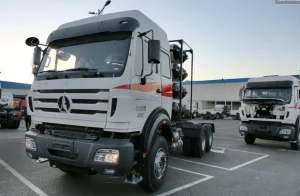
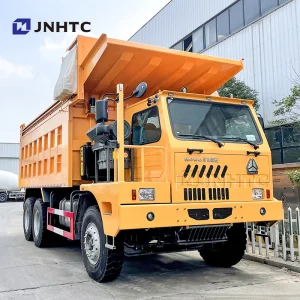
Additional heavy machinery, structural welding systems, and automotive pneumatic products from CKLER Vehicle.
 CKLER Vehicle