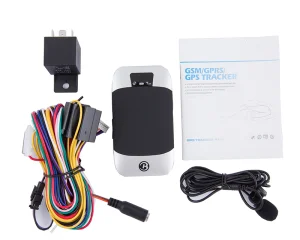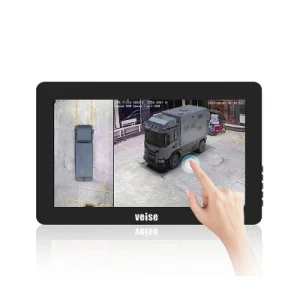
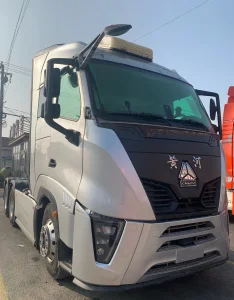
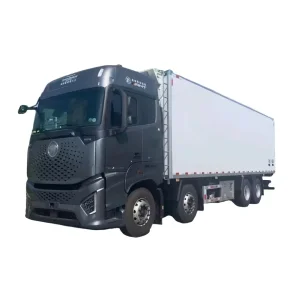
Modern global logistics require absolute visibility. In the competitive landscape of heavy transport and supply chain management, simple GPS positioning is no longer sufficient. Enterprise operations demand comprehensive Vehicle Tracking Systems (VTS) that unify positioning, vehicle diagnostic telemetry (via CAN-bus protocol integration), fuel consumption algorithms, and advanced safety telemetry such as Advanced Driver Assistance Systems (ADAS) and Driver Monitoring Systems (DMS).
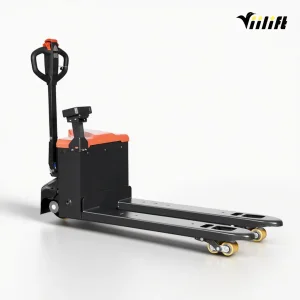
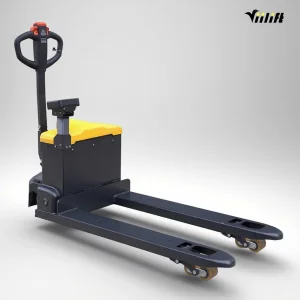
Whether managing heavy-duty haul trucks, specialized refrigerated transport, or material handling equipment in warehouses, logistics leaders must rely on unified hardware-software ecosystems. By extracting micro-data points like load weights via scale-integrated pallet jacks, temperature metrics via Reefer units, or vehicle safety alerts, operators can drastically decrease downtime and operational waste. Telematics hardware manufactured in China has evolved from generic consumer-grade trackers to mission-critical automotive computers capable of operating in extreme temperatures and high-vibration industrial applications.
As a global epicenter for electronic and automotive technology manufacturing, China offers unparalleled structural advantages for buyers of vehicle tracking systems. The synergy between high-precision electronics manufacturing and the commercial vehicle industry creates an optimized platform for telematics product development.
Key advantages of sourcing vehicle tracking components and finished tracking platforms from top Chinese manufacturers include:
Hardware and firmware modification is crucial for enterprise deployments. Reliable suppliers support specialized protocols, customize hardware enclosures, and pre-integrate APIs for immediate cloud connection.
Top-tier hardware features ISO/TS 16949-compliant quality controls, ensuring VTS systems survive load dumps, high-voltage surges, and extreme temperature fluctuations from -40°C to +85°C.
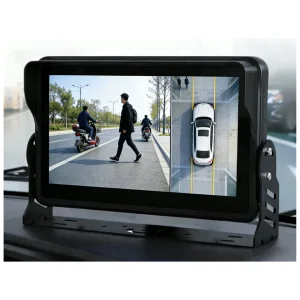
Utilizes intelligent edge processors to actively scan road conditions and driver behavior. Instantly alerts drivers and sends cloud notifications for lane drifts, close follow distances, yawning, distraction, or mobile phone usage.
Supports direct interface to ultrasonic fuel level sensors, engine CAN-bus data (fuel rates, RPM, coolant temp), and dynamic axle weight scale scales. Ideal for prevention of fuel theft and overloading compliance.
Specially sealed camera systems and DVR enclosures. Engineered to survive high-pressure power washing, chemical cleaners, heavy dust in mining pits, and continuous exposure to extreme elements.
Deploying vehicle tracking systems globally requires compliance with regional regulatory networks. Procurement teams must look beyond general hardware costs to verify compliance across critical parameters:
Data tracking involves personal driver information. Leading VTS manufacturers design hardware with localized encryption (AES-256 over SSL/TLS). When sourcing systems, confirm the manufacturer's server software supports private cloud deployments (such as AWS, Microsoft Azure, or custom local data centers) in your operating territory. This prevents cross-border transmission of sensitive telematics records and conforms to strict European Union GDPR requirements.
Hardware must contain certified telemetry modules for target jurisdictions. Chinese telematics providers work directly with cellular module giants (like Quectel, Fibocom, or SimCom) to ensure VTS devices carry necessary certifications:
For operations in the USA and Canada, the Federal Motor Carrier Safety Administration (FMCSA) mandates Electronic Logging Devices (ELDs) to record Hours of Service (HOS). High-end Chinese VTS units support J1939 CAN-bus protocols that interface seamlessly with certified ELD software platforms, ensuring trouble-free driver logging and compliance.
The applicability of advanced tracking hardware spans across various industrial verticals, each requiring specialized physical attributes and data feeds:
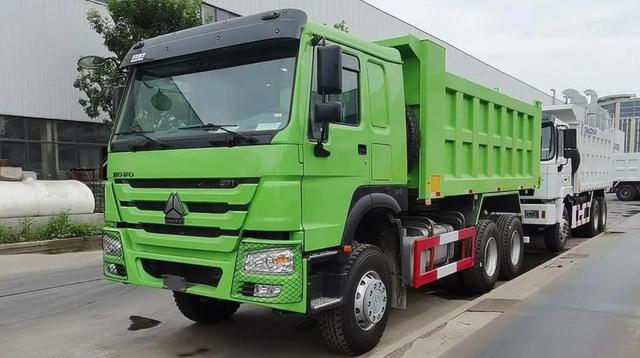
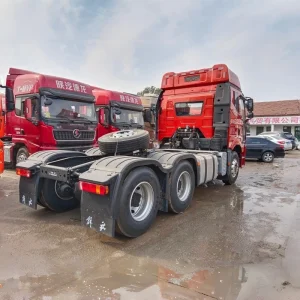
High-speed long-distance shipping requires constant up-time. Systems like the Yellow River X7 or HOWO 6x4 Tractor Units rely on telematics to monitor driver fatigue, track optimization, real-time location mapping, and optimize fuel usage across thousands of miles.
Transporting perishables inside refrigerated cargo trucks requires integrating digital temperature probes directly with the GPS tracker. Automated alerts trigger immediately if cargo area temperature drifts even 0.5 degrees outside the threshold, saving expensive cargo.
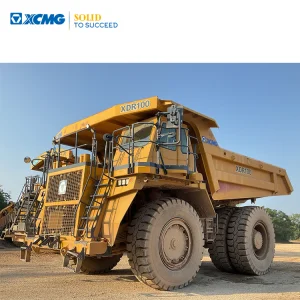
Deployments in open-pit mining environments (e.g., using heavy-duty 90ton Mining Dump Trucks) encounter extreme vibration, dirt, and lack of cellular connectivity. Hardware features local SD card backups and high-gain external antennas to maintain continuous recording.
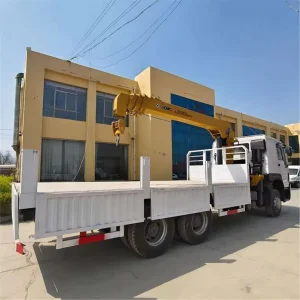
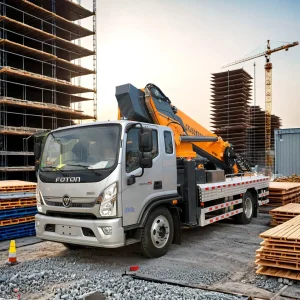
Dongguan CKLER Vehicle Co., Ltd. is a professional manufacturer specializing in heavy-duty trucks and long-haul freight transport solutions. The company is dedicated to the research, development, production, and global supply of high-performance commercial vehicles designed for logistics, construction, and industrial transportation applications.
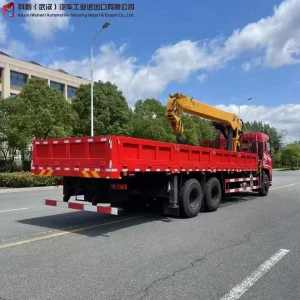
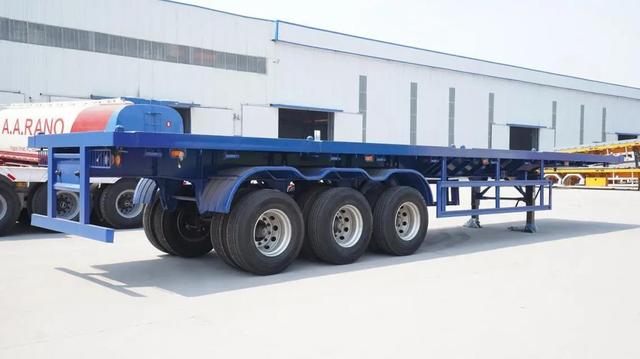
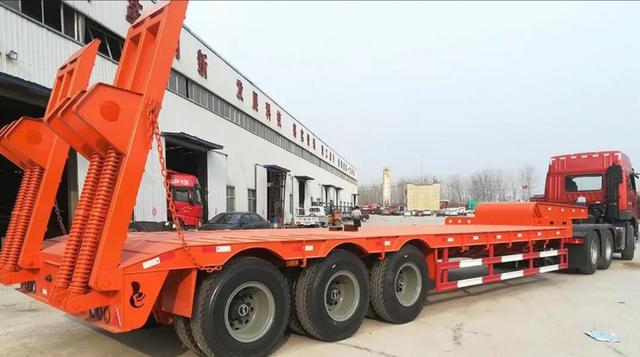
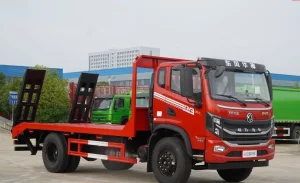
With strong engineering capabilities and advanced manufacturing facilities, CKLER Vehicle provides a wide range of heavy transport solutions, including long-distance freight trucks, tractor units, semi-trailer systems, cargo lorries, and logistics fleet vehicles. These vehicles are designed to deliver superior durability, fuel efficiency, and load-carrying performance under demanding road and working conditions.
Dongguan CKLER Vehicle Co., Ltd. focuses on safety, reliability, and operational efficiency. Each vehicle is manufactured under strict quality control systems and complies with international automotive standards. Advanced powertrain systems, reinforced chassis structures, and intelligent control technologies ensure stable performance across various transportation environments.
The company also offers OEM and ODM customization services to meet the specific requirements of logistics companies, fleet operators, and industrial transport projects worldwide. Its products are widely used in domestic and international markets across Asia, Africa, the Middle East, and South America.
By integrating innovation with practical engineering design, CKLER Vehicle continues to enhance the efficiency and sustainability of global freight transportation. The company is committed to becoming a trusted global partner in heavy-duty truck manufacturing, delivering reliable, efficient, and cost-effective logistics transport solutions for modern supply chain operations.
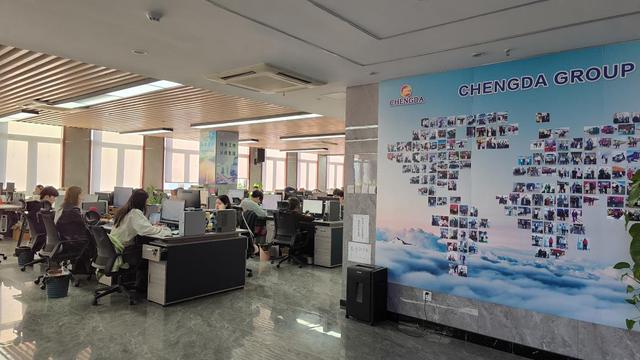
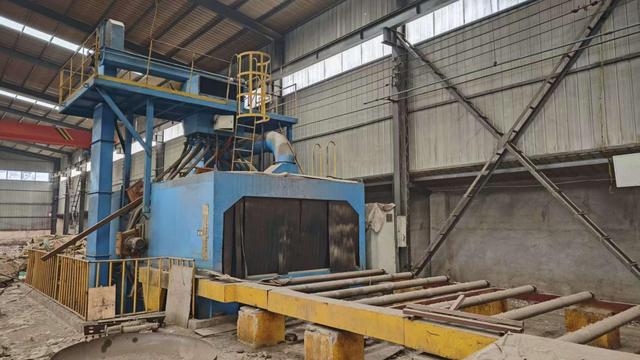
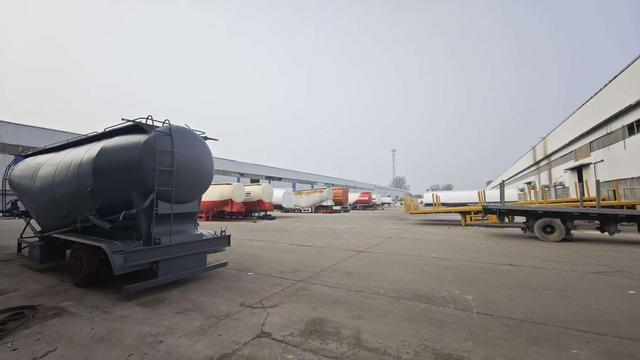
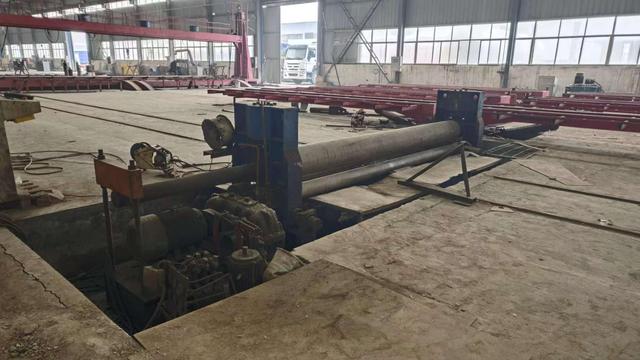
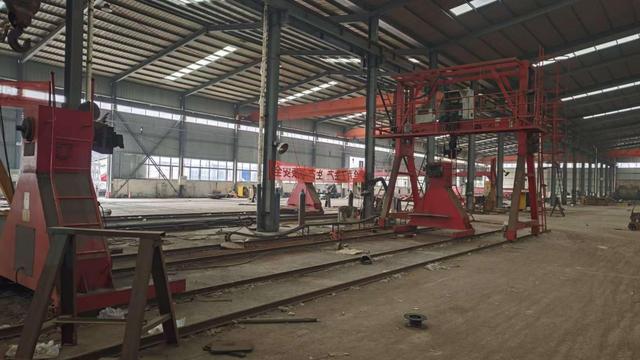
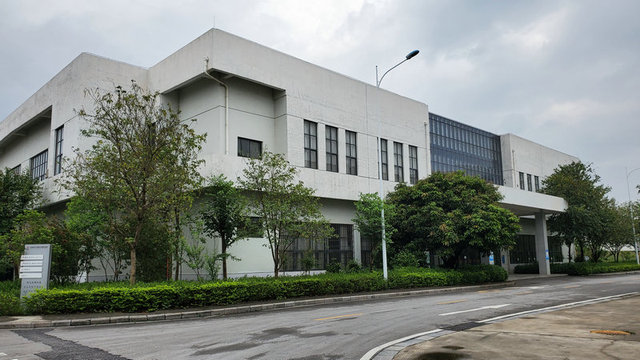
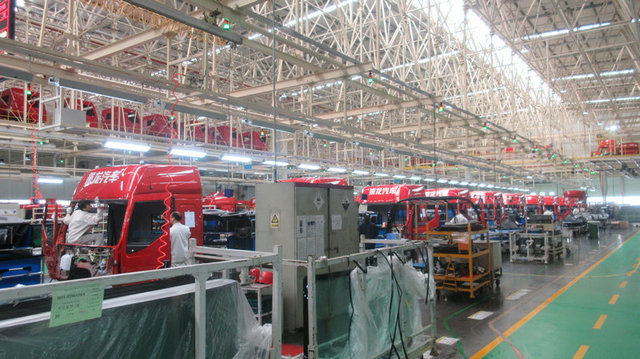
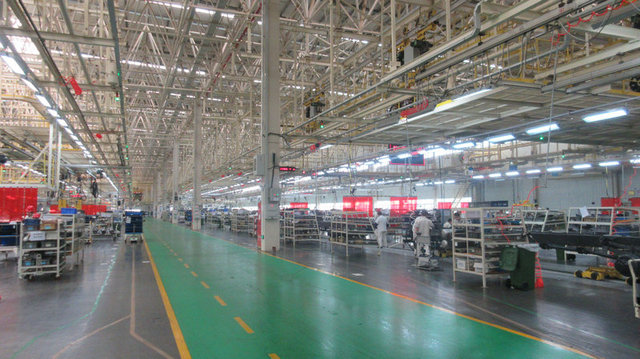
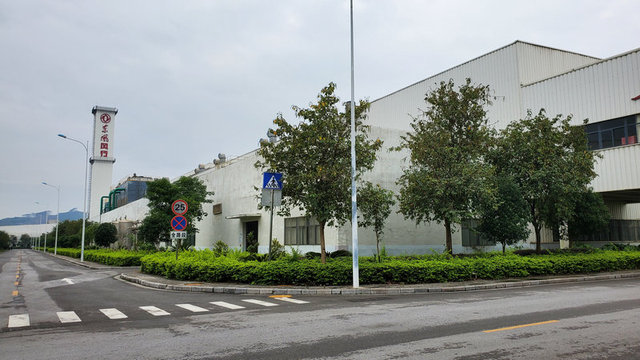
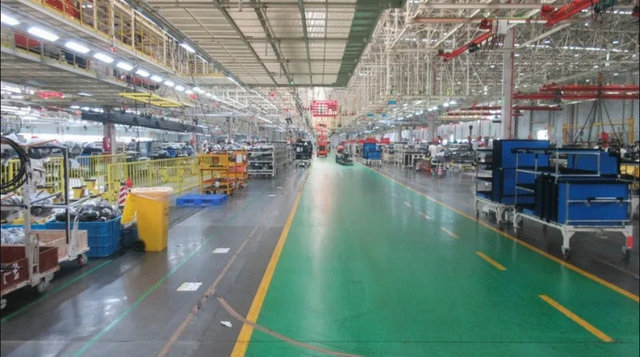
CKLER Vehicle operates advanced heavy vehicle design centers, featuring heavy metal chassis reinforcement, automated body assembly, and direct integration spots for advanced fleet telematics modules.
For procurement directors executing massive upgrades or purchasing new fleets integrated with VTS hardware, initial unit price is only one part of the equation. Total Cost of Ownership is the true metric of commercial success. To minimize TCO, buyers must evaluate potential suppliers on three core parameters:
Field maintenance on a vehicle that is thousands of miles away incurs extreme costs. Sourcing trackers with a field failure rate of less than 0.1% is critical. Ensure your tracking system manufacturer utilizes components with high MTBF (Mean Time Between Failures) ratings and offers a comprehensive replacement warranty (at least 2-3 years) on all industrial telematics units.
As cell towers undergo upgrades and telecom carriers modify network structures, VTS devices require configuration and firmware updates. Physical maintenance is impractical. An enterprise VTS must support robust OTA updates. This allows central administrators to push updates, change APN settings, and alter report frequencies via the cloud without recalling vehicles to depot workshops.
Avoid being locked into proprietary tracking software. A flexible VTS system should support open API structures, sending raw data packages in standard formats (JSON, XML, or custom TCP/UDP protocols) directly to third-party Transport Management Systems (TMS) or enterprise Resource Planning systems (ERP) such as SAP or Oracle.
 CKLER Vehicle